
Introduction to Collapsible Containers
Collapsible containers have gained significant traction across multiple industries, largely due to their practical and versatile nature. Unlike traditional containers, collapsible versions offer the unique advantage of being able to fold into a more compact form. This feature not only solves spatial challenges but also contributes positively to several areas of logistical operations.
Space Efficiency
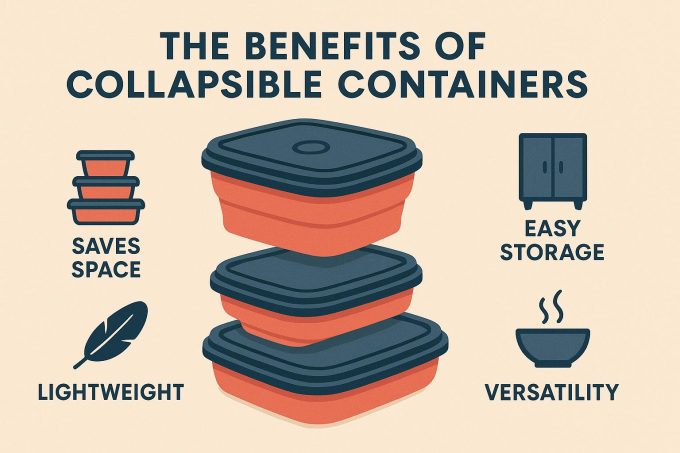
The space efficiency offered by collapsible containers is substantial, especially in environments where storage unavailability can hinder operations. When these containers are not in use, they can be succinctly folded, minimizing the storage space needed. Space is a particularly scarce commodity in urban settings, where even a small reduction in storage requirements can equate to significant cost savings. In warehouses and distribution centers, the design of collapsible containers allows for efficient stacking, enhancing the feasibility of storage solutions.
Consider the operational benefits for a business operating in a bustling city. Each square foot saved through the use of collapsible containers translates to resources that can be allocated elsewhere. Whether these resources are financial, human, or time-related, the impact of efficient space utilization plays a crucial role in business success. Additionally, by optimizing available storage space, companies can prevent the need for costly expansions or extra storage facilities.
Cost Savings
An important aspect accompanying space efficiency is the potential for cost savings. Due to the minimized storage requirements enabled by collapsible containers, companies can significantly reduce overhead expenses. For transporters of goods, the impact is even more pronounced. When containers are in their compact form, a single vehicle can accommodate more of them, thereby increasing the payload capacity. This naturally reduces the number of trips needed, leading to lower fuel consumption and decreased shipping costs.
Furthermore, businesses that handle large volumes of goods can benefit from the scalable nature of collapsible containers. By using fewer vehicles for transportation, logistical firms benefit from reduced fleet maintenance costs and extended vehicle lifespans. Over time, these savings can accumulate, providing companies with the flexibility to channel investments into other key areas of growth and innovation.
Environmental Benefits
In addition to cost efficiency, collapsible containers provide notable environmental benefits. By diminishing the volume of cargo carried per trip, these containers directly contribute to lower fuel consumption, resulting in a reduction of greenhouse gas emissions. This environmental advantage aligns with the worldwide imperative to minimize carbon footprints.
Moreover, collapsible containers are typically designed for durability and repeated use. This contrasts starkly with single-use packaging materials that contribute significantly to landfill waste. As collapsible units are used, they reduce the dependency on disposable alternatives, further enhancing environmental sustainability. Additionally, their recyclability adds an extra layer of environmental friendliness, allowing companies to further reduce their ecological impact by reusing materials effectively.
Versatility and Adaptability
The versatility and adaptability of collapsible containers are unrivaled, making them suitable for use across a multitude of industries. From retail and manufacturing to hospitality and event management, these containers cater to a diverse array of requirements and applications. Their adaptability makes them ideal for scenarios requiring flexibility, such as temporary storage solutions or pop-up retail shops.
This versatility often leads to creative uses beyond traditional storage. For instance, in the events industry, collapsible containers can serve as temporary booths or stalls, offering a quick setup and dismantle solution that can easily be transported and reused in various locations. In the retail sector, they can adapt to varying inventory levels, allowing businesses to manage stock more effectively without needing permanent structural modifications.
In addition, the ease with which these containers can be reconfigured adds to their utility, whether in fixed environments or on the move. Businesses are increasingly seeking solutions that can evolve with their needs, and collapsible containers provide this much-needed flexibility.
Long-term Impact and Future Outlook
As industries continually evolve, innovations that offer practical solutions to modern storage and logistical challenges, such as collapsible containers, are indispensable. Their multifaceted benefits, which include space optimization, cost reduction, environmental sustainability, and adaptability, make them a vital component in the toolkit of various sectors.
Furthermore, the emphasis on environmentally sustainable practices is likely to drive the demand for collapsible containers even further. As regulations tighten and consumers become more environmentally conscious, the ability of businesses to align their operations with these imperatives will be crucial. Therefore, collapsible containers represent not only a current solution but also a forward-looking strategy for companies committed to sustainable growth.
Collapsible containers are expected to become an even more prevalent choice as industries continue to pursue smarter, greener, and more cost-effective logistics solutions. With ongoing advancements in material technology and design, the utility and efficiency of these containers are anticipated to further increase, cementing their role as a key asset in modern supply chains.