
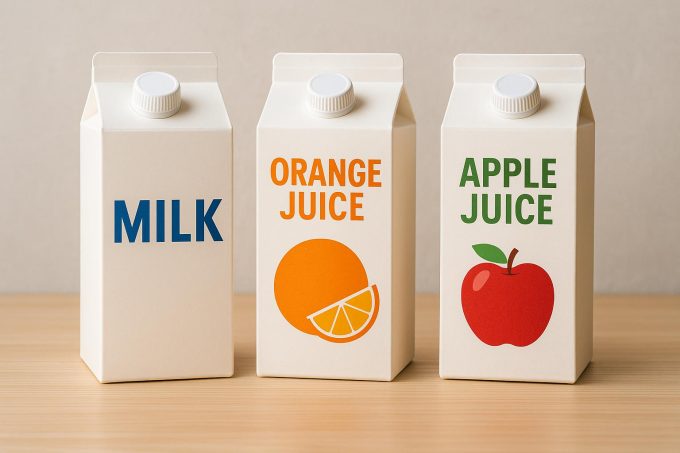
Introduction to Paperboard Cartons
Paperboard cartons have become a staple in the packaging industry, particularly for beverages like milk and juice. This type of packaging leverages the benefits of using a renewable resource—wood pulp—making it a viable alternative to plastic. The basic structure of paperboard provides a robust and protective shell that ensures the safe transport and storage of liquid products. Through its layered construction, these cartons often include materials like polyethylene and aluminum, which are essential for enhancing the barrier properties necessary for preserving the contents. This combination not only aids in extending the shelf life of perishable goods but also adds to the overall functionality of the packaging.
Manufacturing Process
The transformation of wood into paperboard is an intricate and fascinating journey. It begins with the pulping process, which extracts cellulose fibers from trees. These fibers are the building blocks of paperboard. The process continues with pressing and drying techniques which consolidate the fibers into a dense, sturdy material known as paperboard. This substrate undergoes lamination, where it is combined with layers of plastics or metals such as aluminum. These added layers play a crucial role by creating a waterproof and airtight barrier which is imperative for maintaining the freshness and nutritional value of the liquids contained within. The manufacturing process blends traditional paper-making techniques with advanced technological applications to produce a versatile and functional product.
Environmental Considerations
In the quest for sustainable packaging solutions, paperboard cartons stand out due to their environmental attributes. Being predominantly crafted from renewable resources, these cartons represent a significant step towards reducing reliance on fossil fuels and minimizing environmental impact. Their recyclability is another compelling advantage—many are derived from sustainably sourced materials, and their end-of-life cycle fits seamlessly into recycling streams. This supports the ecological concept of a circular economy, where materials are reused and repurposed, thereby reducing overall waste. Nevertheless, recycling systems and their efficacy can vary greatly by region, affecting the actual environmental benefits realized. Facilities must adapt to handle the complexities of composite materials, which are pivotal in recycling paperboard cartons efficiently.
Benefits of Paperboard Cartons
Paperboard cartons furnish both manufacturers and consumers with a multitude of benefits. Their lightweight nature makes transportation more economical and environmentally friendlier, as it reduces fuel consumption and carbon emissions. Additionally, their ability to protect against external elements ensures the beverage’s integrity throughout its shelf life. The geometric design, often square or rectangular, optimizes space, facilitating easier storage and handling. From a marketing perspective, paperboard carton surfaces offer a large and adaptable canvas for high-quality graphics, making them ideal for branding and conveying product information directly to the consumer in a visually appealing manner.
Challenges and Innovations
Despite the myriad advantages, paperboard cartons are not without their challenges. One of the primary hurdles is establishing comprehensive recycling systems that are capable of processing the composite materials used in these cartons. Furthermore, while effective, the barrier properties of paperboard do not quite match those of more robust materials such as glass or rigid plastic. These challenges are fueling innovation within the industry, as researchers and manufacturers strive to develop more biodegradable coatings that don’t compromise barrier effectiveness. Enhanced recycling processes are also a focus, steering efforts towards creating systems that maximize resource recovery without placing undue burden on existing infrastructures.
In conclusion, paperboard cartons represent a harmonious blend of functionality and environmental responsibility. As technology and awareness continue to evolve, so too do the methods for enhancing these packaging solutions. For those interested in learning more about the advancements in paperboard carton technology and the ongoing efforts to overcome current challenges, industry-related platforms such as the Carton Council provide valuable insights and updates. Furthermore, research from various packaging science institutions continues to drive forward the quest for improvement, paving the way for paperboard cartons to maintain their role as a critical component in sustainable packaging solutions.