
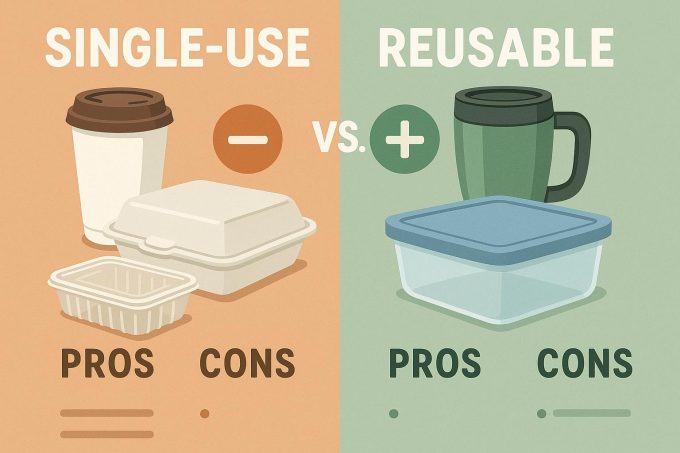
Understanding Single-Use Containers
Single-use containers are designed for one-time use and have become a pervasive element in modern consumer society. While their popularity has surged due to convenience and cost benefits, understanding their role and implications requires a comprehensive evaluation of their materials, usage, and environmental impact.
Single-use containers are often manufactured from a variety of materials, with plastic and polystyrene being the most common. These materials are selected for their lightweight properties and cost efficiency. Some single-use containers are made from paper, often coated with a thin layer of plastic or wax to enhance durability and moisture resistance. This mix of materials optimizes them for holding a variety of foods and liquids, ensuring they can be quickly produced, filled, and disposed of.
Convenience and Cost-Effectiveness
Single-use containers provide unparalleled convenience for both producers and consumers. Their disposability eliminates the need for cleaning, thereby reducing labor costs and time. For businesses, particularly in the food industry, this translates to significant savings in operations and logistics. Consumers also benefit from the ease of use, as they can simply discard these containers without worrying about storage or maintenance.
The widespread use of single-use containers has raised considerable environmental concerns. Since these containers are intended for one-time use, they contribute extensively to waste accumulation in landfills. The decomposition of plastic and polystyrene can take hundreds of years, posing a long-term challenge to waste management systems. Moreover, improper disposal practices lead to significant environmental pollution, with single-use plastics often ending up in oceans, harming marine life and disrupting ecosystems. This emphasizes the need for consumers and industries to critically assess the environmental ramifications of their preferences.
Exploring Reusable Containers
Contrary to single-use options, reusable containers represent a sustainable alternative, designed to withstand repeated use over an extended period. These containers are often made from durable materials, ensuring longevity and reducing the need for frequent replacement.
Reusable containers are crafted from various materials, including glass, metal, and sturdy plastics. Glass containers are well-regarded for their ability to preserve food without imparting any flavors or odors. Metal containers, often made from stainless steel, offer robust durability and are resistant to corrosion. Sturdy plastics, while not as sustainable as glass or metal, provide a lightweight and versatile option, often favored in settings where breakability is a concern.
Long-Term Economical Benefits
Reusable containers, though more expensive initially, can offer significant cost savings over time. By reusing the same container for multiple purposes, individuals and businesses can reduce the frequency of purchases substantially. This is economically beneficial in both household kitchens and commercial operations, where cutting down on repetitive procurement can translate to lowered operational costs. Furthermore, reusables sidestep the hidden costs associated with waste management and environmental cleanup required by single-use counterparts.
From an environmental perspective, reusable containers provide a marked advantage by minimizing waste and lowering the carbon footprint related to manufacturing and disposal processes. Utilizing durable materials decreases the frequency of production runs, leading to reduced energy consumption and greenhouse gas emissions. Furthermore, shifting towards reusable containers aligns with broader global initiatives that seek to curb waste generation and encourage sustainable consumption. Many businesses and individuals are already incorporating these containers into their practices, aligning with a worldwide movement towards a greener economy.
Comparing Durability and Practicality
When discussing single-use and reusable containers, an important aspect to consider is their durability and practicality across different scenarios and settings.
The durability of a container largely depends on the materials used in its manufacturing. Reusable containers boast greater durability due to the robust nature of materials like glass and metal, allowing them to endure multiple uses and washing cycles. This makes them ideal for environments where long-term use is prioritized. Conversely, single-use containers are not designed with durability in mind; they are intended to fulfill a singular function and are often not suited for extended handling.
Practicality
When evaluating practicality, single-use containers offer clear advantages in situations that prioritize portability and simplicity, such as large-scale events, catering, and quick-service dining establishments. Their disposal-friendly nature simplifies logistics, allowing for quick cleanup without the need for washing and storing. However, in scenarios where sustainability is a priority, reusable containers provide practical solutions, particularly in households and businesses equipped with cleaning facilities. Integration of reusable options can reflect a business’s commitment to sustainable practices, enhancing its public image.
Conclusion
In conclusion, making an informed decision between single-use and reusable containers entails an assessment of needs, costs, and environmental impact. Single-use options offer convenience and lower immediate costs but present significant environmental challenges. In contrast, reusable containers may be initially more expensive but can deliver substantial economic and ecological benefits over time. Choosing the appropriate type of container requires careful consideration of immediate needs and long-term sustainability objectives. Embracing sustainable practices, such as opting for reusable containers where feasible, contributes to a healthier planet and demonstrates accountability toward resource conservation. As consumers and businesses move towards more sustainable choices, they pave the way for innovation in materials and practices that align with the global vision of environmental stewardship.