
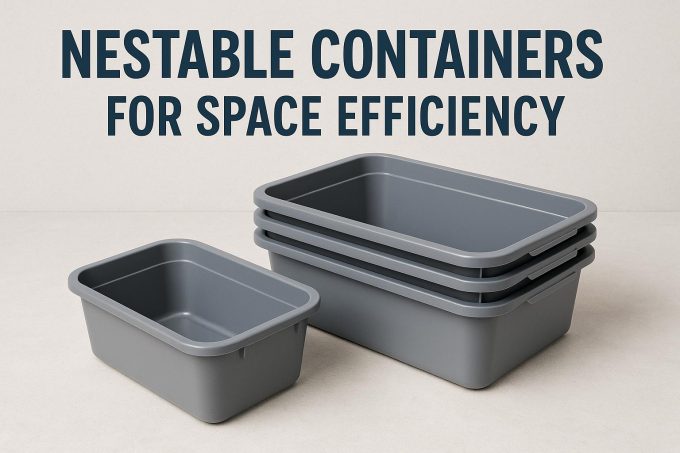
Understanding Nestable Containers for Space Efficiency
In today’s world, efficient space utilization is increasingly important, whether it concerns logistics, storage solutions, or everyday household organization. One practical solution to maximize available space is the use of nestable containers. These containers offer both economic and spatial benefits through their unique design, which allows for compact storage when not in use.
What Are Nestable Containers?
Nestable containers are designed to stack within one another when empty, enabling them to take up significantly less space. This feature is particularly beneficial in various settings, including warehouses, retail, and home environments. When filled, they stack in a stable fashion, optimizing vertical space usage.
Construction and Materials
These containers are often made of durable materials such as high-quality plastics or metals, enabling them to withstand heavy loads and harsh environments. The design includes features like reinforced edges and bases, which provide additional strength and longevity. The choice of material often depends on the specific application and environment, with plastics being favored for their lightweight properties and metals for their robustness.
Design Considerations: Manufacturers consider factors such as the ease of handling, weight distribution, and structural integrity when designing these containers. Innovations in manufacturing techniques have allowed for more lightweight and durable designs, which also focus on ergonomic handling and ease of use.
Advantages of Nestable Containers
Space Efficiency: The primary benefit of nestable containers is their ability to conserve space. By nesting within one another, they significantly reduce the storage volume required when empty, which is particularly useful in environments with fluctuating inventory levels. The ability to stack securely when in use further enhances the economic usage of available space.
Cost Savings: The space-saving nature of these containers often leads to cost reductions in terms of storage and transport. Less space required for empty containers means more room for inventory or other resources, translating into better asset utilization. This, in turn, results in potential savings in warehousing and transportation costs.
Versatility: These containers are versatile and available in various sizes and shapes, making them suitable for diverse storage needs. They are commonly used in industries such as food service, pharmaceuticals, and automotive parts. Their adaptability allows for utilization across a broad spectrum of applications, catering to both standardized and specialized needs.
Application Flexibility
Nestable containers are designed to be adaptable, catering to various custom requirements often found in different industries.
Industry-Specific Designs: Some containers are customized for specific industries, such as perforated designs for better air circulation in agricultural sectors, or food-grade materials for food storage. This indicates the broad spectrum of design modifications to meet sector-specific needs.
Applications in Different Settings
Nestable containers are widely utilized in sectors where storage and transport efficiency are critical.
In industrial settings, such as warehouses and manufacturing plants, they help optimize storage space and reduce clutter. Efficient storage translates into better organization and quicker access to materials, which can significantly improve operational efficiency.
In retail, efficient backroom storage can improve inventory management, allowing quick restocking. Proper organization and space utilization help ensure that the retail floor remains well-stocked, enhancing customer satisfaction and sales.
In home environments, especially in small living spaces, nestable containers aid in organizing items while minimizing physical footprint. Households benefit from the ability to manage space more effectively, maintaining a tidy and organized living area.
Considerations When Selecting Nestable Containers
When choosing nestable containers, it is important to consider factors such as load capacity, durability, and the specific requirements of your storage environment. Load capacity determines the maximum weight each container can handle, which is crucial to prevent damage and ensure safety.
It is also advisable to ensure they meet any industry-specific standards or regulations that may apply. Some industries may impose strict guidelines regarding the materials or design of containers. Adhering to these standards not only ensures compliance but also enhances operational safety and efficiency.
Moreover, compatibility with existing storage systems is crucial. This means checking that the dimensions and shape of the containers fit well with the shelving or transport equipment you are using. Proper compatibility mitigates potential disruptions to workflow and enhances system efficiency.
Advancements in Nestable Container Design
The evolution of nestable container design continues, aiming at further improving their functionality and efficiency. These innovations are crucial in addressing the dynamic needs of modern industries.
Some modern containers come with features such as integrated labeling systems, security tagging, and stackable lids for added convenience and security. Integrated labeling facilitates quick identification of contents, enhancing order and efficiency. Security tagging adds an extra layer of protection, essential for high-value or sensitive items.
Manufacturers are also exploring sustainable materials to cater to environmentally conscious markets, which not only reduces the environmental footprint but may also meet regulatory demands for sustainability. This shift towards sustainability reflects a growing awareness and responsibility towards environmental stewardship, appealing to eco-conscious consumers and companies.
In conclusion, nestable containers provide an effective solution to space management challenges across various sectors. Their design not only fosters space and cost efficiencies but also supports sustainable operations by minimizing waste and optimizing resource use. As industries evolve, the adaptability of nestable containers will likely continue to play a central role in optimizing space and enhancing organizational efficiency.