
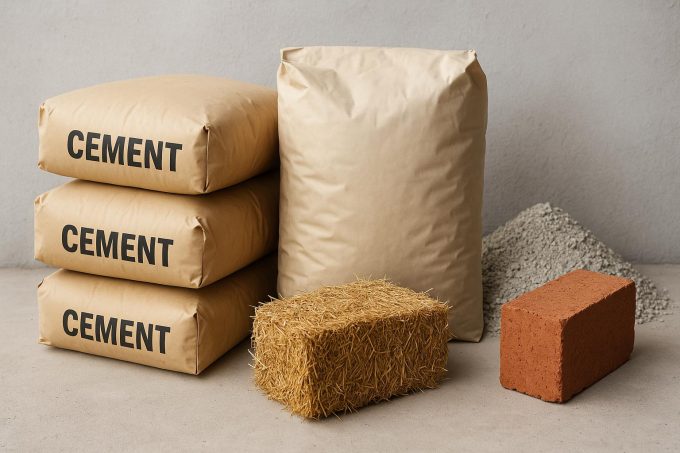
Cement Bags and Their Impact
Cement continues to be the cornerstone of modern construction endeavors, representing a ubiquitous material essential for building infrastructure around the globe. The packaging of traditional cement typically involves the use of multi-ply paper bags, which are often lined with a thin layer of plastic primarily to prevent moisture penetration. These bags provide a pragmatic approach to packaging for various small to medium-scale construction projects. Despite their utility, concerns regarding the environmental repercussions of both cement and its packaging are prompting a reevaluation and greater interest in sustainable alternatives.
Environmental Concerns
Although cement is indispensable for modern infrastructure projects, the production process has a significant environmental toll, contributing extensively to carbon dioxide emissions. With sustainability becoming a focal point across numerous industries, such environmental effects are coming under increasing scrutiny. Likewise, the very packaging that contains cement poses additional ecological concerns. Despite being biodegradable, the paper bags are problematic in several respects. The incorporation of plastic liners complicates their recycling process, leading to an accumulation of waste in landfills. Consequently, diminishing the environmental footprint associated with cement packaging is rapidly becoming a crucial aspect of achieving sustainable practices.
Alternatives to Traditional Cement Bags
In light of these environmental considerations, a range of alternative solutions to conventional cement bags has been introduced. Some of these alternatives aim to mitigate environmental impacts while simultaneously bolstering practicality and cost-effectiveness.
Bulk Delivery Systems
Bulk cement delivery systems represent one of the more promising alternatives for large-scale construction projects. This approach entails delivering cement in substantial quantities directly to the construction site using specially designed bulk carriers. In doing so, this method significantly reduces the packaging waste typically associated with cement transportation. With an increasing number of industries adopting this method, the environmental footprint of cement packaging can be minimized, and it can even lead to cost savings over time. For those interested in delving further into the mechanics and benefits of bulk cement delivery, exploring industry publications or consulting with companies specializing in such services can be informative.
Reusable Containers
The innovation of reusable containers offers another viable alternative. Constructed from durable materials such as metal or heavy-duty plastic, these containers are designed for repeated use in transporting cement. By curtailing reliance on single-use bags, reusable containers significantly diminish waste production. However, implementation does require an initial investment and may necessitate extensive logistical arrangements for container return and refilling processes. Despite these initial hurdles, the adoption of reusable containers can yield long-term environmental benefits.
Biodegradable Packaging
Advancements in eco-friendly packaging innovations have led to the creation of biodegradable cement bags. Crafted from materials like jute or other natural fibers, these biodegradable bags facilitate smoother decomposition compared to traditional counterparts. While still not widely embraced, biodegradable packaging presents a promising avenue for addressing waste concerns related to cement packaging. For comprehensive insights into the emerging biodegradable materials used in packaging, reviewing articles published in environmental technology journals may offer valuable perspectives.
Implementation and Challenges
While the alternatives to traditional cement bags present numerous environmental advantages, their implementation is not devoid of challenges. A primary obstacle resides in the industry’s readiness to adapt to these new practices. Industries must revamp existing logistical frameworks to integrate these packaging alternatives smoothly. Additionally, questions regarding cost-effectiveness persist, as the transition might initially incur higher expenses before eventually yielding long-term savings. Regulatory support can play a crucial role in facilitating this transition by introducing incentives and frameworks that encourage the adoption of environmentally friendly packaging. Moreover, widespread awareness and education about the environmental benefits of these packaging solutions are essential to drive their acceptance across the industry.
The Role of Innovation
In the quest for environmentally conscious packaging, innovation stands as a pivotal driving force. As research and development continue to progress, newer materials and technologies are being identified to bolster sustainability in cement packaging. Collaboration and partnerships between industry players, researchers, and environmental organizations are becoming increasingly common to hasten the development and adoption of cutting-edge packaging solutions. Such multi-disciplinary efforts not only push the boundaries of what is possible but also reinforce the broader shift towards sustainability across the construction sector and beyond.
Conclusion
The transition towards more sustainable practices in the construction industry has become unequivocal. Both the production of cement and its packaging are undergoing transformations aimed at mitigating environmental harm. With the growing traction of alternatives such as bulk delivery systems, reusable containers, and biodegradable bags, the potential for reduced ecological impact becomes increasingly tangible. However, the broader adoption of these alternatives hinges on the readiness of the industry and the extent of regulatory support available. As these innovative changes become more prevalent, continuously examining their long-term ramifications on both standard construction practices and the environment remains a pivotal aspect of fostering a sustainable future.