
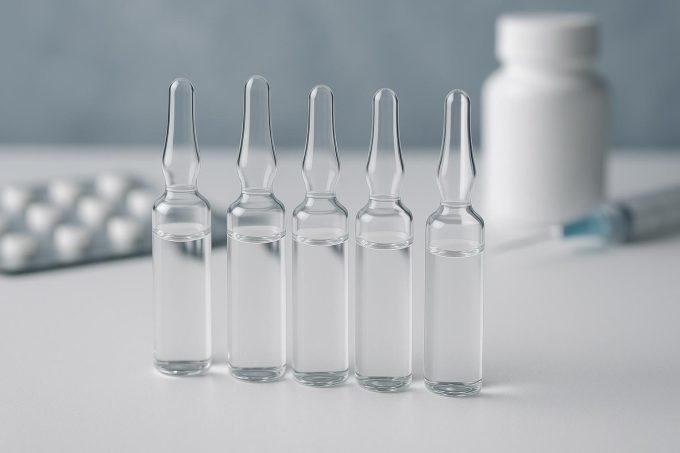
Understanding Glass Ampoules in Pharmaceuticals
In the realm of pharmaceuticals, glass ampoules are esteemed for their ability to preserve the integrity and effectiveness of liquid drugs. The use of these small, sealed vials is common due to their protective nature and compatibility with a vast array of medications. The intent of this article is to explore the composition, advantages, applications, manufacturing processes, challenges, and ongoing innovations related to glass ampoules, offering a detailed understanding of their role in the pharmaceutical industry.
Composition and Advantages
Glass ampoules are predominantly manufactured from Type I borosilicate glass. This specific type of glass is chosen because of its exceptional thermal and chemical properties. Due to its low coefficient of thermal expansion, borosilicate glass is highly resistant to thermal shock, making it suitable for environments that require rigorous and controlled storage conditions.
This specific chemical composition imparts several advantages that make glass ampoules a preferred choice in pharmaceuticals:
1. Airtight Seal: The design of glass ampoules allows for a hermetically sealed container. This airtight nature prevents the intrusion of contaminants, thereby protecting the contained medication from external elements such as air and moisture, which could compromise its integrity.
2. Chemical Inertness: The inherent nature of glass not to react with most chemical substances is a significant advantage. This characteristic ensures that the medication remains pure and uncontaminated, vital for maintaining its therapeutic efficacy.
3. Transparency: The clear nature of glass provides an easy means of visual inspection. This transparency is crucial for quality control, allowing pharmacists and healthcare professionals to detect any particulate matter or inconsistencies in the liquid formulation before administration.
Manufacturing Process
The production of glass ampoules is a precise process, involving several critical stages. Initially, glass tubes are heated to make them pliable. They are then cut to the required lengths necessary for individual ampoules. The base of the ampoule is the first to be formed, followed by the narrowing and shaping of the neck area. The process concludes with the sealing of the top, typically through heat application to ensure an airtight closure. Advances in technology, such as the use of laser systems, have improved precision in the sealing process, further enhancing the integrity of the ampoule.
Applications in Pharmaceuticals
In pharmaceutical settings, glass ampoules serve a significant function. They are deployed for the storage of diverse medicinal products, ranging from saline and vitamins to more sensitive formulations like vaccines and parenteral solutions. These applications benefit greatly from the durability and secure sealing of glass ampoules, particularly in cases where the medication is prone to deterioration when exposed to air or light.
In addition to their protective qualities, glass ampoules are favored in hospitals and research environments due to their single-use nature. This aspect minimizes the risk of cross-contamination, a crucial factor in maintaining the sterility of drug formulations. Their use significantly underlines the commitment to patient safety and solution integrity in medical applications.
Challenges and Considerations
Despite their numerous benefits, glass ampoules do present challenges that warrant consideration. One such challenge involves the method of opening ampoules, which can occasionally lead to the generation of glass particles, thus contaminating the contained liquid. Employing techniques such as using filter needles can aid in mitigating this risk, safeguarding the medication’s purity.
Moreover, continual advancements in materials science and design are being explored to overcome inherent limitations and enhance the overall functionality and safety of glass ampoules. Innovations such as pre-scored necks and alternative sealing technologies aim to improve user convenience and reduce the risk of breakage, ensuring the vial remains a reliable packaging solution in pharmaceuticals.
For professionals seeking comprehensive knowledge regarding glass ampoules and their diverse pharmaceutical applications, resources from regulatory authorities and technical publications in the field offer valuable insights. These resources often encompass detailed information about material properties, safety protocols, best practices for handling, and storage techniques, facilitating a better understanding of how to maximize the effectiveness and safety of glass ampoules in pharmaceutical contexts.