
Understanding Foam Inserts
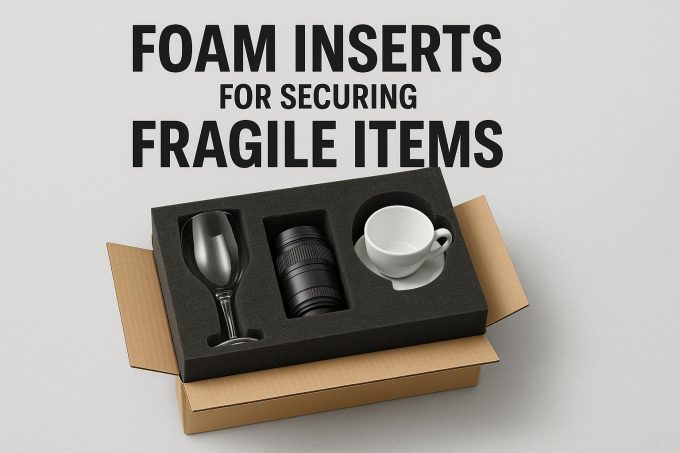
When it comes to transporting or storing fragile items, ensuring their safety is a top priority. Utilizing foam inserts offers a highly effective solution to protect delicate contents from potential damage. These inserts are typically custom-designed to suit the specific shape and dimensions of the items they are intended to safeguard, thereby providing a snug fit that limits movement and efficiently absorbs shocks.
Foam inserts serve as a barrier between the item and any sources of potential damage, such as vibration, impact, or even changes in temperature. The material’s inherent characteristics, such as flexibility, resilience, and shock absorption capabilities, play a crucial role in mitigating risks associated with the movement of goods.
Types of Foam Used in Inserts
There is a variety of foams used in the fabrication of inserts, each with unique properties that cater to different protective needs. Understanding these types is key to choosing the right foam insert for any particular application.
Polyurethane Foam: Known for its flexibility and resilience, polyurethane foam is often employed for items that require moderate cushioning. This kind of foam can return to its original shape after compression, making it ideal for encapsulating items that are not overly heavy but still need reliable protection.
Polyethylene Foam: This foam stands out for its rigidity and excellent shock absorption qualities. Polyethylene foam is particularly suitable for electronics or sensitive instruments, where maintaining stable condition through impacts is important. It can also be used for items that require a degree of moisture resistance.
Expanded Polystyrene (EPS): Lightweight and providing good insulation, EPS is often chosen for packaging that requires thermal protection, such as food containers or pharmaceutical products. Its structure lends itself well to preventing heat transfer, making it essential for applications where temperature maintenance is critical.
Ethafoam: Known for its exceptional durability and resistance to impact, ethafoam is often used for heavy-duty packaging needs. This material can withstand repeated impacts without diminishing its protective capabilities, making it suitable for transporting heavier or more valuable goods.
Applications of Foam Inserts
Foam inserts have versatile applications across numerous industries and personal uses. Their adaptability makes them a preferred choice for many storage and transportation scenarios.
Electronics: Protection of sensitive components from static and shock during transportation is critical in the electronics industry. Foam inserts designed for electronic goods often include anti-static properties to prevent static discharge.
Glassware: The delicate nature of glass items requires protection against chipping and breakage. Foam inserts used for glassware are carefully shaped to cradle each piece securely, reducing the likelihood of movement within a package.
Medical Instruments: Ensuring precise fit and cushioning for sensitive devices is essential in the medical field. Foam inserts protect delicate instruments from physical damage while maintaining sterile conditions.
Tool Storage: Organizing tools securely while preventing damage is pivotal for maintaining efficiency in a workshop. Foam inserts are frequently utilized to provide custom-fit slots for tools, ensuring they remain in place and are easily accessible.
In addition to these traditional applications, foam inserts are also used in other sectors, including aerospace for securing parts during transport, photography for protecting camera equipment, and even retail for presenting products in aesthetically pleasing ways.
Benefits of Using Foam Inserts
The advantages of incorporating foam inserts into packaging solutions extend far beyond mere protection. These inserts offer numerous benefits:
Customization: Foam inserts can be tailored to accommodate item specifications, ensuring optimal protection. Customization allows users to choose foam type, thickness, and configuration to fit each item’s unique packaging needs.
Reusability: High-quality foam inserts are designed for durability, allowing them to be reused multiple times. This not only makes them a cost-effective option but an eco-friendly one as well, reducing waste associated with single-use packaging solutions.
Cost-Effectiveness: By minimizing the risk of damage, foam inserts reduce the need for costly replacements or repairs. Ensuring that items arrive at their destination in pristine condition adds a layer of reliability that can enhance customer satisfaction and reduce return rates.
Foam inserts contribute to a streamlined shipping process, reducing the total cost of logistics by allowing safe transportation, lessening the frequency of damaged goods claims, and enhancing customer trust in the product quality.
Conclusion
In summary, foam inserts are an indispensable solution for securing fragile items during transport and storage. They offer a range of customizable and protective solutions suitable for diverse applications, from electronics to medical instruments. The choice of foam type and its specific application plays a crucial role in ensuring the overall efficacy of the packaging solution. For those seeking to understand more about choosing the appropriate foam insert type for their specific needs, it might be beneficial to consult a specialized packaging provider that can offer tailored insights and recommendations based on individual requirements. Foam inserts not only guard their contents against damage but also add value by enhancing the reliability and cost-effectiveness of the shipping and storage processes.