
Introduction
Grain storage plays a vital role in agriculture by ensuring the preservation of harvested crops over time. The selection of storage containers is a critical component that influences both the quality and longevity of grains. This article examines various types of grain storage containers utilized in agriculture and discusses their advantages and disadvantages.
Types of Grain Storage Containers
Grain storage containers are available in numerous forms, each specifically designed to meet particular agricultural needs. Recognizing these differences aids in choosing the most appropriate storage solution for specific agricultural requirements.
Silos
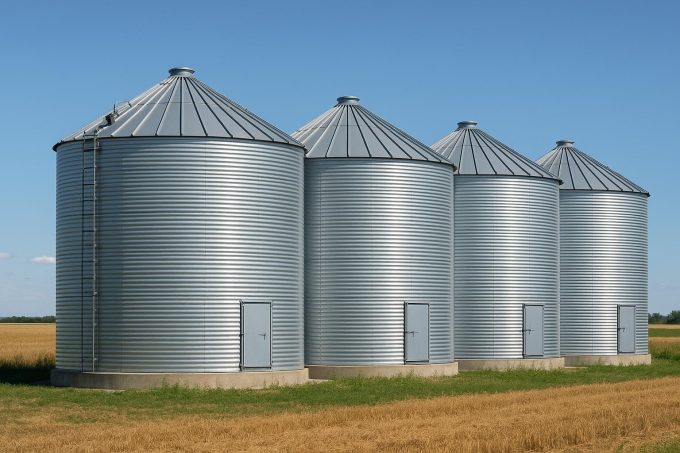
Silos are large vertical structures that are predominantly used for storing bulk quantities of grain. Constructed from materials such as metal and concrete, silos offer substantial storage capacity. A distinctive benefit of silos is their ability to maintain grain quality by reducing exposure to moisture and pests effectively. This is often achieved through hermetic sealing methods and advanced ventilation systems. Additionally, the vertical design of silos makes them a space-efficient option, which is particularly advantageous when land area is limited.
Grain Bins
Grain bins, typically cylindrical and made from corrugated steel, are a popular choice on many farms. Their cost-effectiveness and operational ease have made them a common sight across agricultural landscapes. A major advantage of grain bins is their design, which facilitates efficient aeration. Aeration is critical in maintaining optimal conditions within the bin, thus preserving grain quality by minimizing risks of mold growth and spoilage due to excess moisture. Furthermore, the design of these bins allows for convenient loading and unloading, which is a significant factor in their widespread use.
Bag Storage
Bag storage involves using large, flexible bags to store grain. This method is especially prevalent in areas lacking infrastructure to support permanent storage facilities. The economic benefits of bag storage are undeniable, given the relatively low initial investment required. Moreover, the portability and simplicity of this method make it feasible for transient or temporary storage needs. Despite these advantages, continuous monitoring is essential in bag storage to defend against pest infestations and adverse environmental effects such as moisture and extreme temperatures, which can compromise grain quality.
Warehouse Storage
Warehouse storage offers a horizontal storage solution that is ideal for large volumes of grain needing long-term storage. Warehouses introduce flexibility in managing storage environments as they can be adapted to accommodate a range of grain types due to adjustable temperature and humidity controls. This adaptability makes warehouses a preferred option for processors and distributors handling diverse crop varieties. However, the scale of maintenance required for warehouse efficiency should not be underestimated, as continuous vigilance is mandatory to safeguard stored grain from pest invasions and environmental degradation.
Key Considerations for Grain Storage
Several crucial factors must be accounted for to ensure the safe and effective storage of grains. Each factor plays a significant role in retaining the quality and safety of stored products.
Temperature and Humidity Control
Temperature and humidity management are pivotal in averting spoilage and deterring pest infestation. Effective management often involves utilizing technology such as aeration systems and thermal sensors. These devices are integral to maintaining stable conditions within storage containers. By detecting and responding to changes in temperature and humidity, these systems help prevent the conditions that lead to grain degradation. The implementation of advanced climate control mechanisms can significantly extend the longevity of the stored grain.
Pest Management
Pest management is an essential aspect of grain storage. Protecting grains from pest damage can be achieved through an integrated pest management (IPM) approach. This strategy includes a combination of regular inspections, preventive measures, and the use of pesticides when necessary. A proactive pest management regime helps in mitigating potential risks associated with insect infestations, which can lead to significant losses in both quality and quantity of stored grains.
Material and Construction
The material and construction of storage containers significantly influence their durability and efficiency. Metal, such as galvanized steel, and concrete are materials frequently chosen due to their strength and resilience against environmental pressure such as weather changes and pest intrusion. The robustness of these materials not only enhances the lifespan of storage facilities but also contributes to keeping the storage environment stable, thus preserving the quality of grain within.
Conclusion
The appropriate selection of grain storage containers is instrumental in maintaining the integrity and safety of agricultural products. By carefully considering factors such as the type of container, construction materials, and environmental controls, farmers can tailor their grain storage strategies to suit specific needs. This informed decision-making ensures the long-term preservation of grain quality, ultimately contributing to the efficiency and productivity of agricultural operations. For those seeking further insights into agricultural practices, explore this comprehensive resource on grain storage techniques, which offers invaluable guidance for optimizing grain storage systems.