
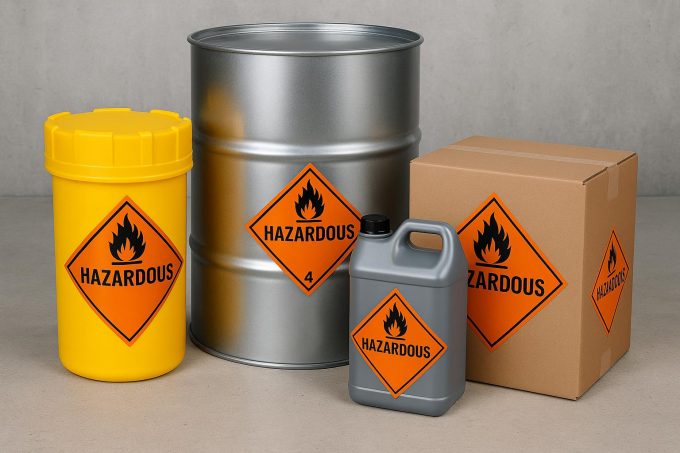
Understanding Hazardous Material Containers for Safe Transport
Transporting hazardous materials is a task that demands meticulous planning and execution to ensure the safety of human life, property, and the environment. As these materials often possess characteristics that can lead to severe consequences if mishandled, selecting the appropriate containers becomes a critical component of the transportation process. These specialized containers are crafted in compliance with both international and domestic regulations to guarantee the secure conveyance of hazardous materials.
Types of Hazardous Material Containers
The world of hazardous material containers is diverse, with each type uniquely designed to accommodate specific materials based on their physical and chemical properties. This section delves deeper into the types of containers commonly employed in the sector.
1. Drums
Drums represent a widely used category of containers suited for both liquid and solid hazardous materials. Offered in a variety of materials, these drums align closely with the nature of the contents they hold. **Steel drums** are robust and are therefore frequently utilized for the transportation of *flammable* and *combustible* liquids. The non-reactive nature of steel makes it an ideal choice for such substances. On the other hand, **plastic drums** find their application predominantly with corrosive materials, leveraging the resistant properties of high-density polyethylene or similar compounds. **Fiber drums**, though less common, are often used for solid and semi-solid forms, offering lightweight yet sturdy containment.
2. Intermediate Bulk Containers (IBCs)
IBCs stand out due to their versatility and capacity. These containers offer an economically efficient choice for the movement of industrial materials and chemicals, suitable for both liquids and solids. Constructed from plastic, metal, or a hybrid of both, IBCs cater to larger volumes than traditional drums, typically ranging between 275 and 330 gallons. **Plastic IBCs** are favored in industries where chemical resistance is paramount, whereas **metal IBCs** are chosen for their durability and capacity to withstand more mechanical stress.
3. Cylinders
The transportation of gases under pressure requires the robustness and foolproof design offered by cylinders. These containers, typically manufactured from steel or aluminum, are designed to conform to stringent safety criteria that prevent leaks or ruptures. The integrity of a cylinder is critical, as the high-pressure contents pose significant risks if not contained correctly. **Steel cylinders** are heavy-duty and are chosen for their ability to endure rough handling and extreme conditions. **Aluminum cylinders**, while lighter, provide an effective alternative for situations where weight minimization is beneficial.
Regulatory Considerations
The regulatory framework surrounding the transportation of hazardous materials is an elaborate construct engineered to safeguard public health and environmental integrity. Within the United States, the **Department of Transportation (DOT)** lays down comprehensive guidelines that dictate every aspect of hazardous material conveyance. International endeavors often adhere to the **United Nations Model Regulations**, a globally accepted set of standards aimed at harmonizing safety protocols across borders. Adherence to these regulations mandates containers to undergo rigorous testing and inspection, ensuring their efficacy and reliability during transport.
Marking and Labeling
The proper marking and labeling of containers are critical for facilitating correct handling procedures and ensuring quick identification of hazards. A marked container bears visual information that communicates the type of risk associated with its contents. Labels indicating whether a substance is flammable, corrosive, or toxic are standard, and they carry detailed instructions for safe handling and emergency options. This clarity is essential not only to the personnel involved in the transportation but also to the emergency responders who might be called upon in the event of an incident.
Considerations for Safe Transport
Ensuring the safe transport of hazardous materials involves a comprehensive approach that encompasses proper container selection, securement, and handling protocols. Containers must be in impeccable condition, free from defects, and matched appropriately with the material inside to avoid undesired reactions, leaks, or spills.
Proper Securing and Storage
The securing of containers during transit is a non-negotiable aspect of transportation safety. Properly fastened containers mitigate the risk of movement which can precipitate accidents or spillage. Equally important is the consideration of optimal storage conditions reflective of the materials’ requirements, such as maintaining appropriate temperature ranges and ensuring adequate ventilation. Such proactive measures maintain the integrity of both the container and the material within.
Training and Awareness
A well-informed and adequately trained workforce forms the backbone of safe hazardous material transport. Personnel involved in these operations must undergo comprehensive training programs that instill a deep understanding of handling procedures and emergency response protocols. Such education empowers individuals to act decisively in emergencies, significantly reducing the risks associated with hazardous materials.
In conclusion, the secure transport of hazardous materials hinges on several pivotal factors, including the use of suitable containers, strict adherence to regulatory measures, and ongoing training initiatives. By consistently applying these safety standards, the risks inherent in transporting potentially hazardous substances can be minimized, safeguarding people, property, and the broader environment.