
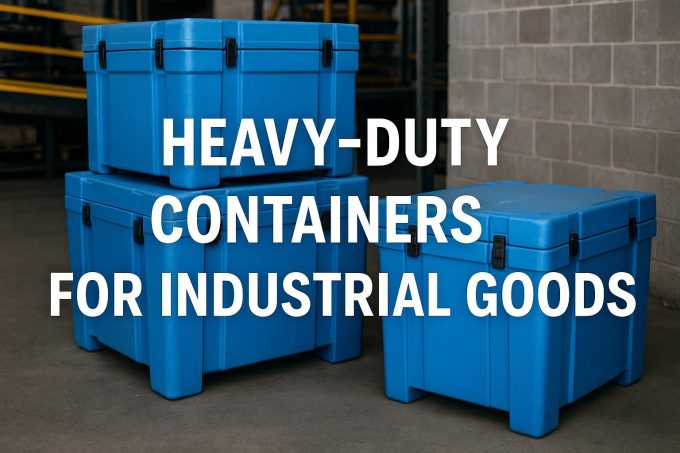
Understanding Heavy-Duty Containers for Industrial Goods
Heavy-duty containers constitute a fundamental part of the logistics and transportation systems for industrial goods. In industry sectors where large quantities of goods are moved frequently and require significant protection, these containers serve as more than just storage or transportation mediums. They play a crucial role in safeguarding the integrity of products during transit, often under challenging conditions. This article explores the specifics of heavy-duty containers, examining their types, characteristics, and the essential role they play in industrial applications across various sectors.
Types of Heavy-Duty Containers
Heavy-duty containers are available in multiple forms, each tailored for specific uses. Understanding the different types can aid in selecting the right container for a particular application.
Metal Containers
Metal containers are predominantly crafted from robust materials like steel or aluminum. Known for their exceptional strength, they are typically the go-to option for transporting heavy machinery and equipment in industries that demand a high level of protection against both theft and harsh environmental conditions. Metal containers can effectively shield their contents from damage that might be caused by impacts, extreme temperatures, and various weather-related elements.
Plastic Containers
Constructed from high-density polyethylene (HDPE) or polypropylene (PP), plastic containers offer a lightweight yet durable option suitable for a variety of industrial needs. They are particularly beneficial for transporting goods that need moisture protection or must be kept safe from chemical reactions. The flexible nature of plastic allows these containers to be molded into a range of designs, accommodating products of various sizes and shapes without compromising their structural integrity.
Wooden Crates
Wooden crates represent a traditional method of transporting industrial goods. They are favored for their ability to absorb shocks, providing a protective barrier against physical damage during transit. The customizable nature of wooden crates permits adjustments in design to fit items that are fragile or irregularly shaped, offering extra cushioning and support where needed. Moreover, wooden crates can be recycled or repurposed, adding an element of sustainability to their use.
Features and Benefits
The highly specialized nature of heavy-duty containers means that selecting the right one can significantly impact the success and efficiency of industrial operations. Below are some features that these containers might offer and the benefits they provide:
Durability
Durability is a critical feature, given the expectation to endure diverse stresses and conditions during transport. From resisting mechanical impacts to withstanding exposure to environmental changes such as moisture and temperature variations, durable containers ensure that goods reach their destination in optimal condition, maintaining their functional integrity throughout the journey.
Customizability
One of the appealing features of heavy-duty containers is their customizability. This allows companies to modify containers to meet specific requirements. Industries can opt for size adjustments to accommodate larger items or incorporate internal padding for cushioning delicate products. Similarly, ventilation features can be added to ensure that items sensitive to temperature or humidity fluctuations are kept in a stable environment.
Compliance with Standards
In an era of stringent regulations, heavy-duty containers must adhere to numerous standards to ensure smooth operation within industrial logistics. Compliant containers not only facilitate easier transportation but also help in avoiding potential legal challenges. Meeting industry-specific regulations underscores the importance of selecting containers that align with these stipulations, assuring compatibility with international transportation requirements.
Applications of Heavy-Duty Containers
A plethora of industries depends upon heavy-duty containers for the safe and efficient movement of goods across various destinations. Here are some applications where these containers make a critical difference:
Automotive Industry
In the automotive field, containers serve to transport vehicle parts, tools, and machinery critical to the manufacturing and maintenance process. The rugged nature of these containers ensures that components required for assembly lines arrive undamaged and operational, reducing downtime and maintaining production schedules.
Aerospace Industry
Precision and care are essential in the aerospace sector, given the high value and sensitivity of the machinery and components involved. Heavy-duty containers provide the necessary security and support, ensuring that sensitive machinery and parts are transported without compromise, thereby preserving functionality and safety standards that are paramount in this industry.
Pharmaceutical Industry
In the realm of pharmaceuticals, maintaining the integrity of temperature-sensitive products is crucial. Heavy-duty containers are often equipped with temperature control systems, ensuring that temperature-sensitive pharmaceuticals retain their efficacy from the point of manufacture to the final delivery. These features help in complying with regulatory requirements and standards specific to the pharmaceutical industry.
Conclusion
In conclusion, the selection and use of heavy-duty containers are pivotal to ensuring the operational efficiency of industrial logistics. Their diverse materials, high level of customizability, durable designs, and compliance with stringent industry standards make them indispensable across various industry sectors. Whether for ensuring the safe transport of automotive parts, aerospace machinery, or temperature-sensitive pharmaceuticals, these containers facilitate seamless logistics operations. For further information on making informed decisions regarding the selection of heavy-duty containers, consider exploring industrial logistics resources or seek advice from logistics professionals familiar with specific industry needs.