
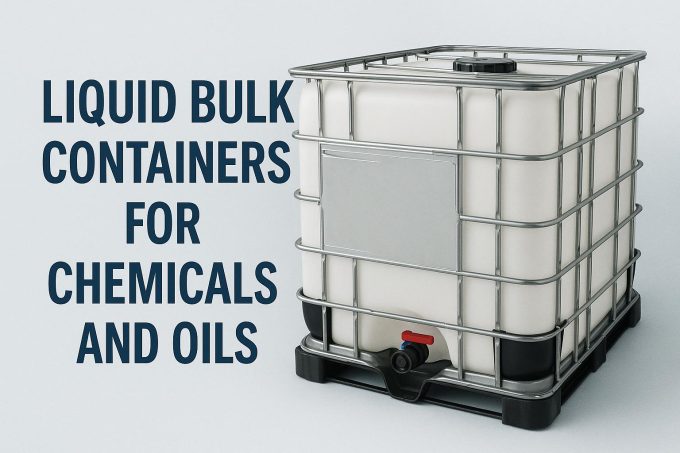
Introduction to Liquid Bulk Containers
Liquid bulk containers are pivotal elements in the logistics of transporting and storing liquids, ranging from chemicals to oils. Their design is specifically tailored to facilitate not only safe but also efficient transit and storage, serving a multitude of industry needs. This article delves into the intricacies of these containers, exploring their various types, the materials employed in their manufacture, and the standards and regulations they are subject to.
Types of Liquid Bulk Containers
The utilization of different types of liquid bulk containers is determined by the specific needs of an operation, especially in fields where the nature of the liquid and the method of transport can vary significantly. The three primary categories of such containers—Intermediate Bulk Containers (IBCs), drums, and flexitanks—each offers distinct advantages.
Intermediate Bulk Containers (IBCs)
IBCs are celebrated for their versatility and are widely used across industries for the transportation and storage of a broad spectrum of liquids. Typically fashioned from robust materials like plastic and metal, IBCs are recognized for their durability, which offers a reusable option and can contribute to cost-efficiency over their lifespan. With a capacity typically ranging from 275 to 330 gallons, IBCs are suitable for larger volumes and are engineered to withstand significant operational stresses.
Drums
In contrast, drums are frequently chosen for operations requiring the handling of smaller liquid volumes, usually ranging from 30 to 55 gallons. These cylindrical containers may be made of various materials, including steel, plastic, and fiber, each providing benefits specific to the liquid being transported. Drums are particularly advantageous when dealing with hazardous materials, as they are manufactured to comply with rigorous regulatory standards. This compliance ensures that they provide a safe means of transport and storage, minimizing risks associated with spillage or contamination.
Flexitanks
Flexitanks offer a unique solution for bulk liquid transport, especially over long distances. Installed within standard shipping containers, they present a cost-effective alternative due to their lightweight nature compared to traditional tanks. The flexible design allows for the maximization of shipping container space, enhancing shipment efficiency. Ideally suited for non-hazardous liquids, flexitanks are a strategic choice for companies looking to reduce logistics costs without sacrificing safety.
Materials Used in Liquid Bulk Containers
The choice of materials in constructing liquid bulk containers is a critical consideration, especially when factoring in the chemical characteristics of liquids involved, such as corrosiveness or flammability. This section highlights the properties of commonly used materials: polyethylene, stainless steel, and aluminum.
Polyethylene is a preferred material for manufacturing IBCs and other containers due to its robustness, chemical resistance, and economic efficiency. Its lightweight nature further enhances handling and transport efficiency.
Stainless steel is lauded for its superior strength and resistance to corrosion, making it suitable for containers that hold potentially aggressive chemicals. The longevity and structural integrity of stainless steel containers make them a worthwhile investment for transporting goods that may otherwise jeopardize lesser materials.
Aluminum offers an advantageous balance of protection and weight. Known for its lightweight properties and resistance to many corrosive substances, aluminum is often selected when ease of transport and handling needs to be considered in conjunction with chemical resistance.
Standards and Regulations
To maintain safety and protect the environment, the use and manufacture of liquid bulk containers are subject to a series of stringent regulations and standards. Bodies such as the United Nations (UN), the Department of Transportation (DOT), and the International Maritime Organization (IMO) play crucial roles in setting these benchmarks.
These standards commonly focus on various technical and safety aspects, including but not limited to leak testing, compatibility of materials with specific liquids, and the structural integrity of containers. Ensuring adherence to these standards mitigates the risk of accidents during transit, safeguarding both the workforce and the environment from the potentially adverse effects of spillages or leaks.
Testing for Leakages and Structural Integrity
Integral to the regulatory framework is rigorous testing, designed to ascertain the capability of containers to withstand the rigors of transport without compromising contents. Leakage tests examine the container’s ability to retain its contents, a vital feature given the potentially hazardous nature of the liquids. Structural integrity tests ensure that the container can endure the stresses of handling, stacking, and transport logistics.
Conclusion
The significance of liquid bulk containers in the global transport and storage infrastructure cannot be overstated. From the specific types designed for various industrial needs to the materials ensuring their safe operation, liquid bulk containers are indispensable assets in the supply chain. Compliance with international standards and regulations further underscores the importance of safety in this sector.
For those operating within industries reliant on the transport and storage of bulk liquids, understanding these elements is paramount. To delve deeper into industry-best practices or to fine-tune logistics strategies, engaging with professionals or comprehensive industry resources is highly advisable. Through informed decisions and adherence to standards, the safe and efficient handling of liquid bulk can be both a reality and a sustainable practice.