
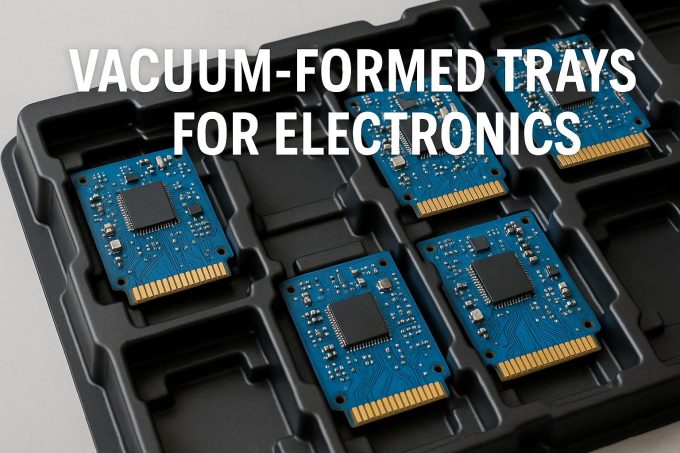
Introduction to Vacuum-Formed Trays for Electronics
Vacuum-formed trays have emerged as a pivotal solution in the packaging and transport of electronic components. Their adaptability and efficiency make them a preferred choice in the electronics industry, ensuring the secure handling of various components. The manufacturing process and material selection play a critical role in their effectiveness, making them indispensable for the safe storage and transport of electronic parts.
What are Vacuum-Formed Trays?
At the core, vacuum forming is an essential manufacturing process in the creation of these trays. This process begins with heating a thermoplastic sheet until it reaches a pliable state. The heated sheet is then formed over a specific mold using vacuum pressure. The suction pulls the plastic tightly against the mold contours, resulting in a tray that precisely accommodates the targeted shapes and sizes of various products. This versatility has positioned vacuum-formed trays as a staple across multiple industries. However, their prominence is particularly noted in electronics, where they address the need for exacting standards of precision and protection to maintain product integrity throughout the supply chain.
Advantages of Vacuum-Formed Trays in Electronics
The adoption of vacuum-formed trays in the electronics sector is particularly notable for several reasons:
Customization and Flexibility: One of the standout features of vacuum-formed trays is their high level of customization. Each tray can be tailored to align with the unique geometric requirements of specific electronic components. The ability to accommodate complex shapes and incorporate multiple components within a single tray optimizes space. This capability is invaluable during both the transportation and storage stages, ensuring more efficient use of available space and resources.
Protection and Security: Protection remains a leading concern in the handling of electronic components. The snug fit provided by these trays minimizes movement during transit, thereby significantly reducing the potential for damage. Many materials used in tray construction also possess anti-static properties, which are crucial in preventing electrostatic discharge (ESD) that could irreparably harm sensitive electronic parts.
Material Selection for Vacuum-Formed Trays
The selection of materials for vacuum-formed trays is a critical factor that impacts their durability, strength, and overall performance. Some commonly used materials include:
– Polyethylene (PE): This material is known for its robust impact resistance and excellent flexibility, making it suitable for trays that require a certain degree of malleability without compromising strength.
– Acrylonitrile Butadiene Styrene (ABS): ABS offers superior rigidity and strength, qualities that make it an optimal choice for trays designed to support heavier electronic components that demand stable support.
– Polyvinyl Chloride (PVC): Chosen for its excellent chemical resistance, PVC is ideal in scenarios where trays may encounter potentially hazardous chemicals.
The choice of material not only influences the tray’s physical attributes but also its compatibility with the specific requirements of electronic component packaging. The right material enhances the performance and extends the shelf life of the tray while ensuring the utmost protection of the components it houses.
Applications in the Electronics Industry
Vacuum-formed trays find numerous applications throughout the electronics industry, where they serve as a linchpin in ensuring effective and efficient processes:
– Component Handling: During production, vacuum-formed trays streamline workflows. By keeping components organized and securely held in place, they bolster production line productivity and reduce the incidence of handling errors.
– Protective Packaging: Packaging for transportation must withstand varied environmental conditions and mechanical stresses. Vacuum-formed trays provide robust solutions that shield delicate electronics from potential damage during shipment.
– Storage Solutions: In storage, these trays ensure components are systematically arranged, reducing the risk of misplacement and contributing to better inventory management.
Their utility spans beyond these applications, as vacuum-formed trays can also be utilized in retail displays, contributing to an efficient layout of electronic devices and accessories for consumer ease.
To delve deeper into vacuum-formed trays and their nuances, industry experts and manufacturers offer a wealth of resources. For those interested in exploring advanced vacuum-forming solutions tailored for the evolving needs of the electronics industry, it is beneficial to consult providers like Duro-Plastics, who are at the forefront of innovative advancements in vacuum forming techniques.
In conclusion, vacuum-formed trays are not just ancillary components but crucial elements in the realm of electronic manufacturing and distribution. Their ability to be meticulously customized, their protective properties, and their material versatility underscore the reasons behind their widespread adoption. As the technology driving electronic devices continues to evolve, so too will the methodologies employed to ensure their safe transport and storage—principles of which vacuum-formed trays will undoubtedly remain a vital part.