
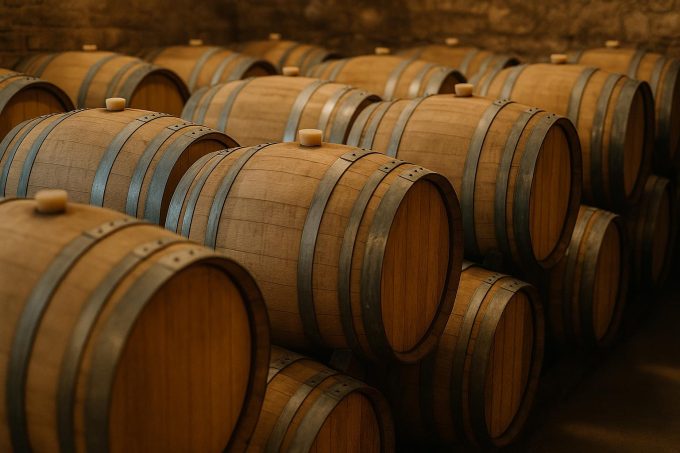
Understanding the Role of Wine Barrels in Traditional Storage
The use of wine barrels as a method for storing and aging wine dates back to ancient times. Originating with the Celts around the 3rd century BC, this storage solution was later adopted by the Romans during their expansion throughout Europe. Understanding the significance of wine barrels in traditional storage involves exploring their construction, function, and influence on the wine’s flavor profile. This exploration reveals not only the historical context but also the technical artistry involved, which continues to affect modern winemaking practices.
Construction of Wine Barrels
Wine barrels are primarily made from oak, which has historically been the wood of choice due to its strength, workability, and flavor contribution to wine. The construction of a barrel involves the careful selection of oak staves, which are then seasoned for a period before being bent into shape. This process requires precision and craftsmanship, as the staves must fit tightly to limit leakage without the use of adhesives or nails. The entire craftsmanship process is meticulous, ensuring each barrel is not only a storage unit but also a key aspect of the wine-aging process.
Types of Oak Used
Two main types of oak are employed in barrel-making: French and American oak. Each type imparts different characteristics to the wine. French oak is known for its fine grain and subtle tannin contribution, leading to a more refined and complex flavor. In contrast, American oak tends to have a more pronounced grain, offering stronger flavors and aromas. The choice between these two types of oak is often determined by the winemaker’s vision for the wine’s final taste profile.
French oak’s fine grain means that it integrates more delicately with the wine, imparting flavors and tannins that are subtle yet complex. This oak type is typically favored for wines where the aim is elegance and nuance. The seasoning and aging of French oak also contribute to its delicate flavor compounds, adding layers of interest to wines.
American oak, by comparison, is less costly due to its availability and has a more robust presence in the wine, presenting bolder flavors. This type of oak is frequently chosen for wines that can stand up to or even be enhanced by its vivid characteristics. The aromas of vanilla, coconut, and sometimes dill often associated with American oak can complement certain styles of wine beautifully.
Importance of Barrel Toasting
Toasting the interior of the barrel impacts the wine’s taste, as it influences the release of specific compounds from the wood. This is achieved by exposing the inside of the barrel to an open flame, which can be done to varying degrees depending on the desired outcome. The level of toast—light, medium, or heavy—determines how the flavors from the wood are integrated into the wine.
A light toast enhances the wood’s natural tannins, a medium toast often promotes the best balance of wood influence, while a heavy toast encourages deeper, caramelized flavors. These toasting levels are strategically chosen to align with the specific characteristics a winemaker wishes to impart to the wine.
The Role of Wine Barrels in Aging
Wine barrels are not just storage containers; they are active participants in the aging process. During storage, wine undergoes subtle chemical changes as it interacts with the wood and the surrounding environment. The porous nature of oak allows for a slow introduction of oxygen into the wine, which is essential for the development of complex aromas and flavors. This interaction is a key component in shaping the ultimate profile of a wine.
Beneficial Compounds from Oak
Compounds such as vanillin, lactones, and tannins are extracted from the wood into the wine, each contributing distinct flavors and aromas. Vanillin lends a sweet, vanilla-like character, lactones add coconut and sweet spice notes, and tannins from the oak provide structure and mouthfeel enhancement. The resultant wine is one that has blossomed from the youthful grape juice to a complex, multi-layered beverage, rich with the nuances endowed by oak.
Micro-oxygenation in Barrels
Micro-oxygenation, facilitated by the barrel’s porous nature, allows wines to develop a softer, rounder palate without the harshness often found in young wines. This process is key to the harmonious development of acidity and fruitiness, which balance the wine’s structure. Over time, the gentle exchange of oxygen aids in refining the wine’s aromatic profile and producing a smoother texture that is pleasing to the palate.
Modern Uses and Innovations
Despite technological advances and the availability of alternative storage options such as stainless steel and concrete, wine barrels remain a valued method for aging premium wines. Many modern wineries continue to employ the barrel-aging process to craft sophisticated wines with desired flavor profiles. While some producers have transitioned to these alternatives for cost-effectiveness or unique stylistic results, the traditional oak barrel remains a symbol of artistry in winemaking.
Incorporation of Oak Alternatives
To address cost and sustainability concerns, some producers now use oak chips, cubes, or staves during fermentation and aging. These alternatives offer reduced expenses while maintaining similar effects on the wine as traditional barrels. The affordability and reduced environmental impact of these options provide an attractive innovation for the industry, even if they cannot entirely replicate the nuanced influence of traditional barrel aging.
None of these modern interventions compromise quality, though they may affect the depth and breadth of flavors introduced to the wine. Winemakers must therefore make strategic decisions, carefully weighing the benefits and limitations of these methods to best suit their desired outcomes and target markets.
Conclusion
Wine barrels as traditional storage solutions have significantly shaped the development and enjoyment of wine throughout history. By understanding the construction and impact of aging in barrels, one gains a deeper appreciation of the viticultural traditions that continue to influence winemaking today. The evolution of barrel-making and its continued relevance in a rapidly modernizing industry speaks to the enduring excellence and adaptability of traditional winemaking practices. Although there is always room for innovation, the art and science of using barrels remains a cornerstone of crafting wines that capture the essence of time, place, and skill.