
Zipper Bags: A Handy Solution for Household Storage
Zipper bags, commonly known as resealable or ziplock bags, have become an integral part of household storage solutions due to their versatility and convenience. These bags come in various sizes and materials that cater to a wide array of uses, helping individuals keep items organized and protected in their homes. Featuring either a sliding zipper or a manual press seal, zipper bags are designed to ensure that the contents remain fresh and secure, providing peace of mind to users.
Material Composition
The primary material used in the manufacturing of zipper bags is polyethylene, a type of plastic known for its durability and flexibility. These features make zipper bags strong enough to handle everyday use. The transparency of the material allows users to easily identify the contents without needing to open the bag, which is beneficial for organization and ease of access. In addition to standard polyethylene bags, there are also specialized versions made with thicker materials. These specialized bags are ideal for more demanding tasks, such as storing food in the freezer or using in microwave appliances, as they can withstand higher temperatures.
Household Uses
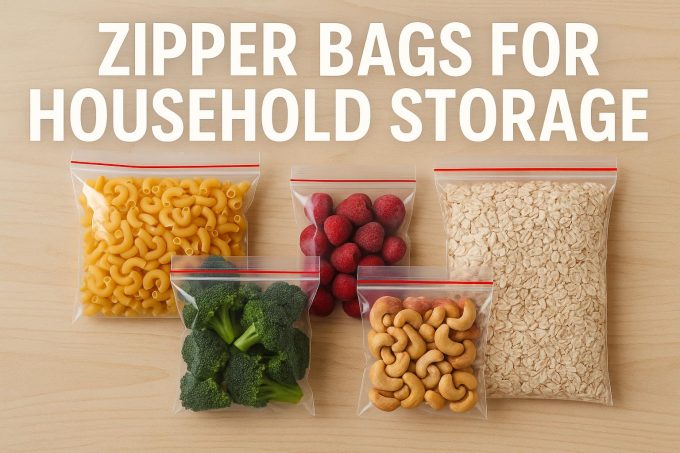
A significant advantage of zipper bags is their ability to store food efficiently. Their airtight seals are instrumental in keeping perishable items, such as fruits, vegetables, and leftovers, fresh for a longer period. By minimizing exposure to air, they help prevent spoilage, thereby reducing overall food waste. In the kitchen, these bags can help organize refrigerator shelves, maximizing available space and making it easier to locate items. However, the utility of zipper bags extends beyond the kitchen, making them valuable throughout the household. In crafting, zipper bags are great for storing supplies like beads and buttons, keeping them sorted and easily accessible. For technology enthusiasts, these bags offer a practical solution for organizing small electronic accessories such as cables, chargers, and adapters. They also provide protection for documents and photographs, safeguarding them from potential damage caused by moisture or dust.
Environmental Considerations
Despite the convenience that zipper bags offer, their environmental impact requires careful consideration. As they are primarily composed of plastic, improper disposal can contribute significantly to environmental pollution. To mitigate these concerns, consumers can opt for reusable zipper bags made from silicone or recycled materials. Reusability reduces the volume of waste, aligning with more sustainable practices. Moreover, some manufacturers have introduced biodegradable zipper bags, which decompose more readily and further minimize environmental impact. These options are increasingly available, making it easier for individuals to make environmentally conscious choices without sacrificing convenience.
Purchasing and Care
When purchasing zipper bags for household storage, several factors should be taken into account to ensure optimal functionality. These factors include the thickness of the bag, its size, and the intended use. Some brands provide bags with advanced features, such as reinforced corners or a double-zipper mechanism, offering a more secure seal against leaks. For those investing in reusable bags, proper care is essential to extend the lifespan of the product. Users should follow care instructions, which typically involve washing the bags with mild detergent after use and drying them thoroughly before storing. Proper care not only prolongs the life of the bags but also ensures they remain safe and hygienic for repeated use.
The versatility and practicality of zipper bags make them an indispensable tool in every household, facilitating organization and storage across various domains. While their convenience is undeniable, considering their environmental impact is crucial. By selecting eco-friendly options and employing proper care, individuals can enjoy the benefits of zipper bags while contributing to a more sustainable future. For further information on reusable storage solutions and eco-friendly practices, visit this guide on eco-friendly practices.