
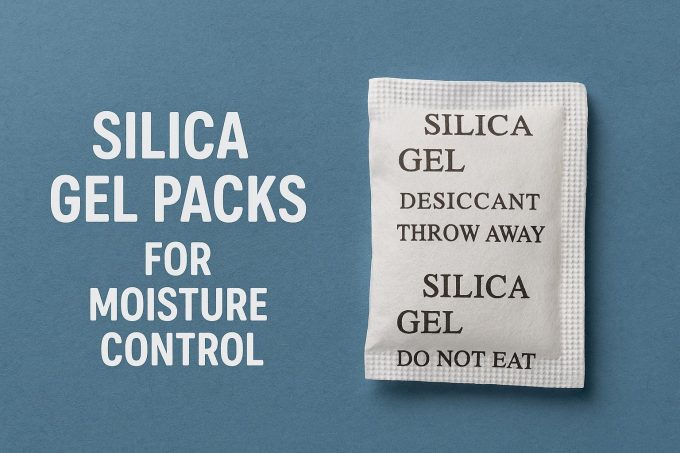
Understanding Silica Gel Packs
Silica gel packs serve as an essential tool in combating moisture, widely utilized due to their effective moisture control capabilities. Comprised primarily of silicon dioxide, these packs are traditionally known as desiccants, meaning they have a natural propensity to absorb water vapor from their surrounding environment. The utilization of silica gel packs in diverse areas underscores their importance in protecting and preserving numerous products.
How Silica Gel Works
The foundation of silica gel’s effectiveness lies in its physical characteristics. Silicon dioxide, when processed into a gel form, becomes porous, significantly enhancing its moisture absorbance capabilities. This porous nature results in a massive surface area available in each particle of silica gel. Consequently, when exposed to an environment, these particles can absorb a substantial amount of moisture, especially when considering their small size. Silica gel packs, when strategically placed within enclosed spaces, work tirelessly to lower humidity levels, essentially acting as guardians against moisture-related complications.
The science behind silica gel involves its tiny interconnected pores that can absorb and hold moisture through capillary condensation and adsorption. Adsorption refers to the adhesion of atoms, ions, or molecules from a gas, liquid, or dissolved solid to a surface. This process differs from absorption, where the fluid permeates or is dissolved by a liquid or solid. By adsorbing water molecules onto its expansive surface, silica gel remains efficient in moisture control.
Common Applications
Silica gel packs find their utilization in a variety of fields, each crucial to maintaining the integrity and longevity of products:
Electronics: The presence of moisture within electronic components can be detrimental. It might cause corrosion or short-circuiting, leading to equipment malfunction. By integrating silica gel packs into the packaging of electronic goods, manufacturers add a layer of protection, ensuring products remain functional longer.
Shoes and Bags: Products made from leather and other fabric materials are particularly vulnerable to damage caused by moisture, which can foster the growth of mold and mildew. Silica gel packs assist in preserving the original quality of such products by maintaining a dry environment within storage.
Food Packaging: While certain variants of silica gel are suitable for food applications, non-toxic versions are typically used to control humidity levels within food containers. This reduces the growth of mold and slows down spoilage, consequently extending the product’s shelf life.
In additional applications beyond the above, silica gel packs are also employed in museums and libraries. They protect delicate artifacts and books, where moisture can lead to irreversible deterioration.
Safety and Environmental Considerations
Silica gel packs are generally safe for use across various industries. However, they are often marked with precautionary warnings. The primary concern arises when these packs are ingested, posing choking hazards, particularly for young children. To prevent accidents, it is advisable to store these packs out of reach of children and pets.
From an environmental perspective, silica gel is largely benign. Being chemically inert, it does not undergo reactions with other substances and breaks down harmlessly in nature over time. Despite this, appropriate disposal following local waste management guidelines is encouraged to minimize environmental impact. Some areas might have specific directives on handling desiccant materials, so awareness of local regulations is beneficial for responsible disposal.
Reusing Silica Gel Packs
A significant advantage of silica gel packs is their reusability. Once saturated, they can be regenerated, allowing for cost-effective and sustainable reuse. The process of regenerating silica gel involves heating the packs at a low temperature in an oven, typically staying within 120°C to 150°C (250°F to 300°F), for a few hours. This gentle heat application removes the absorbed moisture, essentially reviving the gel’s efficacy.
During the regeneration process, it’s crucial to follow the manufacturer’s guidelines to prevent damage to the silica gel. Handling the packs carefully and avoiding exposure to temperatures beyond recommended limits ensures their longevity. This reuse capability not only offers economic benefits but also reduces waste, supporting environmental sustainability.
Further Resources
For a deeper dive into the science of moisture control and the various uses of silica gel packs, numerous resources and publications are available online. These resources provide extensive insights into the mechanisms of humidity absorption, application techniques across industries, and innovations in desiccant technology. Such information serves as a valuable reference for those interested in industry-specific uses or in developing new applications for silica gel packs.