
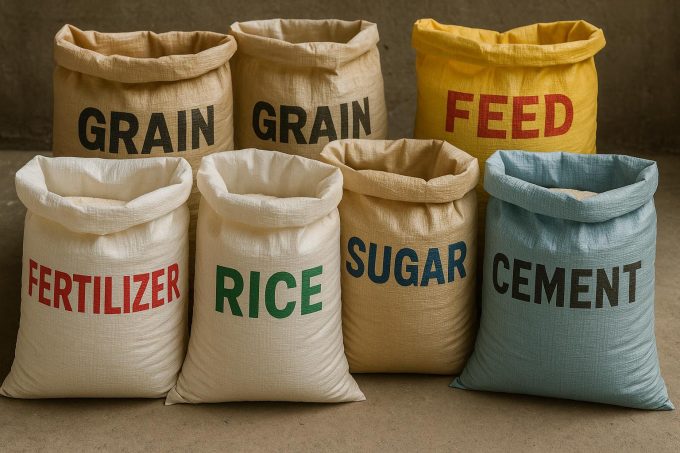
Introduction to Woven Sacks
Woven sacks play a significant role in the packaging industry, especially where industrial goods are concerned. Known for their robust nature, enduring quality, and adaptability, these sacks are particularly well-suited for transporting and storing a wide variety of products. Predominantly manufactured from materials such as polyethylene and polypropylene, woven sacks offer a remarkable balance of lightweight design and structural strength. These characteristics align them perfectly with the packaging requirements of various sectors, including agriculture, chemical manufacturing, and construction.
Manufacturing Process
The manufacturing of woven sacks involves a meticulous, step-by-step process focused on maintaining their structural integrity and effectiveness. Initially, the journey begins with polypropylene or polyethylene resins. These resins are subjected to an extrusion process, where they are transformed into tapes or fibers. This transformation is critical as these tapes form the basic building blocks of woven sacks.
Subsequently, these tapes are woven into sheets using advanced, specialized looms. The weaving step is crucial as it determines the strength and durability of the final product. In the process that follows, these woven fabrics undergo lamination or coating. Lamination enhances the fabric’s resistance to environmental factors such as moisture, thereby increasing its suitability for various types of contents.
The final stages in the manufacturing process include cutting the fabric to the desired size, stitching it together, and incorporating additional features if needed. These additional features may include handles or drawstrings, aimed at improving convenience for end-users.
Advantages of Woven Sacks
One standout advantage of woven sacks is their high strength-to-weight ratio. This unique property enables the sacks to accommodate heavy loads without the risk of tearing or breaking. This characteristic is vital in the transportation of industrial materials, including, but not limited to, grains, cement, and fertilizers.
Moreover, woven sacks are highly cost-effective, presenting significant savings opportunities for businesses that require packaging solutions in bulk. Apart from being economically viable, these sacks offer a reliable shield against various environmental factors. The woven nature of the sacks facilitates breathability, a feature that is particularly beneficial for goods that generate heat or moisture. On the other hand, their laminated counterparts offer superior protection against moisture and water, thus making them apt for storing perishable commodities.
Customization and Printing
The customization potential of woven sacks is extensive, making them versatile for diverse industrial applications. Businesses have the liberty to select specific sizes, color palettes, and printing options. This versatility empowers companies to incorporate branding elements directly onto the packaging, thereby enhancing brand recognition and maintaining a consistent brand image throughout the supply chain process.
Environmental Considerations
In comparison with other types of packaging, woven sacks stand out as more environmentally sustainable. They possess the advantage of being recyclable and can be repurposed multiple times, consequently diminishing the dependence on single-use packaging materials. This aspect of woven sacks aligns with the growing trend towards sustainable practices within industries worldwide. Their recyclability is a key factor contributing positively to this ongoing trend.
For those seeking a deeper exploration into the applications of woven sacks, it might be beneficial to explore specialized packaging websites or industry portals dedicated to industrial packaging solutions. These platforms can offer valuable insights into the latest innovations and emerging trends in packaging materials.
In conclusion, woven sacks continue to be a preferred choice across various industries. This preference is attributed to their durability, economic efficiency, and customizable attributes. As technological advancements continue to unfold and the prioritization of environmental conservation increases, the focus on employing sustainable, efficient packaging solutions like woven sacks is likely to intensify.