
Understanding Polypropylene Bags
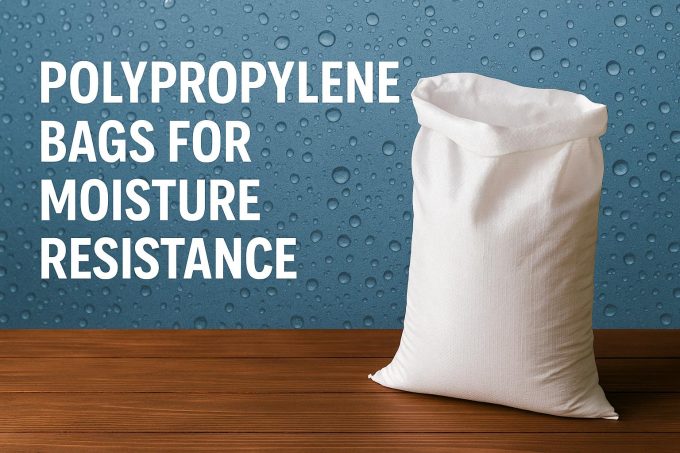
Polypropylene bags, often referred to as PP bags, are renowned for their effectiveness as moisture-resistant packaging solutions. Composed of a type of thermoplastic polymer, polypropylene is noted for its strength, durability, and versatile applications. These intrinsic features render polypropylene an ideal material for manufacturing bags that shield their contents from moisture and varied environmental elements. Let’s delve into the myriad facets of polypropylene bags, from their defining characteristics to their numerous applications, production processes, and environmental considerations.
Characteristics of Polypropylene Bags
The core qualities of polypropylene bags lie in their construction material—polypropylene. These bags are lightweight yet robust, making them suitable for a plethora of applications in diverse sectors. The inherent moisture resistance of the material is a pivotal feature, ensuring that the contents enclosed within remain both dry and shielded from external factors. Beyond moisture repulsion, polypropylene exhibits resilience against most acids and chemical solvents, offering additional layers of protection to packaged goods.
Another remarkable property of polypropylene is its tensile strength. Despite being lightweight, the bags can withstand considerable amounts of weight and external stress without tearing or losing shape. This dual nature of being lightweight and strong makes polypropylene bags an efficient packaging solution that does not compromise on performance. Additionally, the material’s resistance to wear and tear further improves its application in heavy-duty and long-term uses.
Production Process
The fabrication of polypropylene bags is a meticulous process involving several stages, beginning with the polymerization of propylene gas. Propylene gas undergoes a chemical transformation to become polypropylene resin granules. This transformation is pivotal in forming the base material that will eventually shape the bags. The granules are then melted down at precise temperatures to form a pliable yet strong molten polymer.
Following the melting phase, the polypropylene is extruded into thin sheets. These extensive sheets are the precursors of the bags and are formed under controlled conditions to maintain desired thickness and durability. This extrusion process also allows for customization, enabling manufacturers to adjust bag characteristics based on specific requirements, such as increased strength or altered flexibility.
Subsequently, the extruded sheets are cut and sewn into bags of varying sizes and designs to meet different industry needs. The cutting and sewing process includes techniques to reinforce bag edges and enhance their capacity to contain and protect products. This production phase is crucial to ensure that the final product meets the required quality and performance standards before distribution.
Applications
The utility of polypropylene bags spans countless industries, primarily due to their protective nature and versatile characteristics. One of the primary industries that benefit from these bags is agriculture. In this domain, polypropylene bags play a critical role in packaging products like grains and seeds, where moisture resistance acts as a safeguard against spoilage and quality degradation. Farming-related applications rely on the durability of these bags to store and transport goods efficiently across long distances and through various environmental conditions.
In the retail sector, polypropylene bags are increasingly used as durable, reusable shopping bags. Here, they offer a resilient alternative to single-use options, appealing to environmentally conscious consumers who favor sustainable choices. Retail applications are as varied as the industry itself, with polypropylene bags tailored for grocery shopping, specialty packaging, and even branded merchandise.
Furthermore, industrial sectors make use of polypropylene bags for storing and transporting construction materials, chemicals, and polymers. Their resistance to chemicals makes them an ideal choice for industries where contact with various substances is frequent. The ability of these bags to maintain integrity despite exposure to harsh environments is key to their widespread adoption in industrial applications.
Environmental Considerations
The environmental implications of utilizing polypropylene bags have sparked substantial deliberation in recent years. A key point in these discussions is the non-biodegradability of polypropylene, which poses challenges for waste management and environmental conservation. However, the material’s durability, which facilitates multiple uses, can mitigate the widespread reliance on single-use plastics. Because polypropylene bags remain intact over numerous uses, they reduce overall plastic waste by cutting down on the frequency of disposal and need for replacement.
Moreover, advances in recycling technology have paved the way for polypropylene to be recycled effectively. Recycling processes deconstruct polypropylene products into base materials that can undergo reformation into new items. This not only lowers the environmental footprint of polypropylene products but also aligns with sustainable practices when the products are disposed of appropriately. As such, informed recycling of polypropylene bags is encouraged, to maximize their potential as a sustainable packaging option.
However, it’s essential to note that the effectiveness of recycling depends heavily on infrastructure and consumer practices. Proper sorting and collection are prerequisites for successful recycling, necessitating collaboration between industries, policymakers, and consumers. Initiatives aimed at greater public awareness and strengthened recycling systems are critical to improving the environmental profile of polypropylene bags.
Conclusion
Polypropylene bags present an efficient choice for moisture-resistant packaging requirements, owing to their blend of strength, durability, and resistance features. These traits make them fitting for a wide array of applications, from agriculture to retail and beyond. The expanding potential for recycling enhances their attractiveness as a sustainable packaging solution, addressing environmental concerns while maintaining their practical benefits. As innovations in recycling and production continue, polypropylene bags will likely continue evolving as a key component in packaging strategies that prioritize both effectiveness and sustainability.