
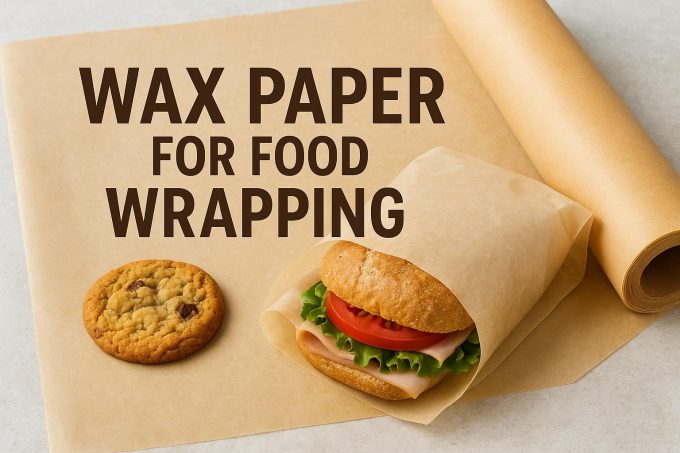
Introduction to Wax Paper
Wax paper is a versatile product often used for food wrapping due to its unique properties. It is made by coating paper with a thin layer of wax, usually paraffin. This coating provides a moisture-resistant surface, making it particularly useful for food storage and preservation.
Properties of Wax Paper
Moisture Resistance: The wax coating on the paper offers resistance to moisture. This property is particularly beneficial for wrapping items that need to stay dry or to prevent moisture absorption from other sources.
Non-stick Surface: Wax paper’s surface prevents food from sticking, which is useful for tasks such as rolling out dough or separating layers of baked goods.
Flexibility: It can be easily folded and manipulated, allowing it to conform to a variety of shapes and sizes, making it ideal for wrapping different types of food items.
Comparison with Other Wrapping Materials
Wax paper is often compared to other food wrapping materials such as aluminum foil and plastic wrap. Each has its own set of characteristics and advantages. For instance, while aluminum foil provides a barrier to light and oxygen, it lacks the non-stick properties of wax paper. Plastic wrap, on the other hand, offers a tight seal but may not provide the same level of moisture resistance.
Uses of Wax Paper in Food Preparation and Storage
Wax paper can be utilized in various ways in both food preparation and storage. It is frequently used to line counters when rolling out pastry dough, as it prevents sticking and facilitates easy cleanup. In baking, it can be used to line pans, offering a non-stick surface that helps with cake release. Additionally, wax paper is ideal for wrapping sandwiches and other ready-to-eat food items, keeping them fresh without adding unnecessary bulk.
Environmental Considerations
While wax paper is effective for food wrapping, it is important to consider its environmental impact. Wax paper is biodegradable, distinguishing it from some other food wrapping materials like certain plastics. However, it is crucial to consider whether the wax used is petroleum-based or derived from renewable sources. Some manufacturers offer wax paper made with soybean or beeswax, which can be preferable for those seeking environmentally friendly options.
Historical Context of Wax Paper
The concept of waxing paper originated in the early 20th century when food preservation became an essential part of everyday life. Before the invention of refrigerators, people relied on various methods to keep their food fresh for as long as possible. Wax paper was a revolutionary product at that time because it could preserve the quality of food without requiring advanced technology. It offered a simple yet effective way to extend the shelf life of various food products, from baked goods to meats. As families sought reliable methods to prevent spoilage, wax paper became an indispensable household item.
Technological Advancements in Manufacturing
The manufacturing process of wax paper has advanced significantly over the years. Initially, wax paper was made by manually applying wax to paper, but modern technology has streamlined this process. Today, high-speed machines apply a continuous layer of wax onto long rolls of paper, ensuring consistency in thickness and coverage. This advancement ensures that each sheet of wax paper maintains its desirable properties, such as moisture resistance and flexibility. These technological improvements have not only enhanced the quality of wax paper but also increased its production efficiency, making it widely available and affordable.
Innovative Uses Beyond the Kitchen
While wax paper is predominantly used in food-related applications, its utility extends beyond the kitchen. It serves as a practical tool in arts and crafts, acting as a protective layer for surfaces when painting or using glue. Artists and crafters appreciate its non-stick properties, which simplify project cleanup. Additionally, wax paper can function as a barrier when working with materials that tend to adhere to surfaces. In the field of home improvement, wax paper can also be employed as a temporary adhesive block to keep certain materials from sticking during the assembly process.
Concerns About Safety and Alternatives
An ongoing discussion about the safety of wax paper involves the type of wax used in its production. Some consumers worry about the potential health risks associated with paraffin-based wax, which is derived from petroleum. As a response, alternative options made with natural waxes, such as soybean or beeswax, have emerged on the market. These alternatives not only address safety concerns but also appeal to those looking for more sustainable and eco-friendly products. Additionally, as awareness about environmental sustainability grows, consumers are increasingly opting for products that minimize environmental impact while maintaining performance.
Concluding Thoughts
Wax paper continues to be a valuable resource within households and industries due to its unique properties and versatile applications. Whether used for food storage, preparation, or creative projects, its ability to resist moisture and prevent sticking enhances its functionality. As technology and sustainability become ever more integral to consumer choices, wax paper’s evolution reflects these trends. From its historical roots to contemporary advancements, wax paper exemplifies the integration of practical utility and technological progression. By considering factors such as manufacturing processes and environmental impact, consumers can make informed choices that align with their values and needs.