
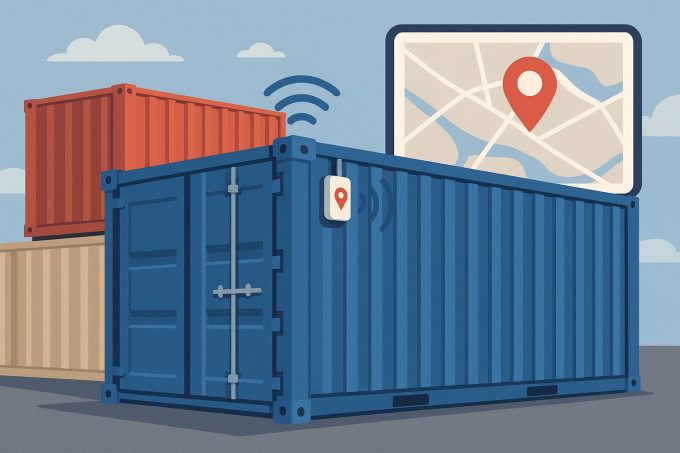
Introduction to GPS-Enabled Containers
In the increasingly interconnected world of today, the efficiency and reliability of the supply chain are more critical than ever. Companies strive to maintain visibility over their shipments, ensuring that goods move seamlessly from origin to destination. One prominent innovation that has emerged is the use of GPS-enabled containers. These advanced containers incorporate Global Positioning System (GPS) technology, which allows for the real-time monitoring and tracking of goods along their journey. This not only enhances operational efficiency but also provides valuable insights into the conditions that products experience during transit.
How GPS-Enabled Containers Work
The technology behind GPS-enabled containers is rooted in the principles of the Global Positioning System. This network consists of numerous satellites orbiting the Earth, constantly transmitting signals that can be intercepted by receivers on the ground. Within each GPS-enabled container, a GPS receiver is installed. This device communicates with the satellites to accurately calculate the container’s position. By measuring the time it takes for signals to travel from multiple satellites, the receiver can pinpoint its location with exceptional precision.
In addition to GPS modules, these containers are often embedded with an array of sensors. These sensors perform a variety of functions, most notably the monitoring of environmental conditions such as temperature, humidity, and shock. These parameters are crucial for maintaining the quality and safety of the cargo. For example, many perishable goods require specific conditions to remain viable during transit, and any deviations can significantly impact their value and safety.
Real-Time Monitoring Benefits
The ability to monitor shipments in real-time brings several critical advantages to businesses and consumers alike. Firstly, it greatly reduces the risk of theft and loss. Knowing the exact location of a container allows for quick response if it deviates from its intended route. Moreover, real-time data provides opportunities for proactive supply chain management. For instance, companies can optimize routes, making adjustments on-the-fly to avoid unexpected delays such as traffic congestion or adverse weather conditions.
This immediate access to data also facilitates improved communication between businesses and their clients. Customers, becoming increasingly accustomed to rapid service delivery, can be provided with accurate ETAs and updates, enhancing their trust and satisfaction with the service. Additionally, by analyzing transit data over time, companies can gain insights into their logistical operations, identifying areas for improvement and becoming more efficient overall.
Applications across Industries
The adoption of GPS-enabled containers is not confined to a single industry. Instead, these containers find applications across various sectors where maintaining the integrity of goods is critical.
In the food and beverage industry, the transport of perishable goods like dairy, meat, and produce demands strict temperature control. GPS-enabled containers ensure that conditions remain optimal throughout transit, helping prevent spoilage and ensuring compliance with stringent safety standards. Similarly, these containers are invaluable in the pharmaceutical sector. Many medications and vaccines are sensitive to temperature fluctuations, and real-time monitoring ensures that temperature ranges remain within the specified limits, preserving the efficacy of the products.
The logistics and transportation industries benefit enormously from the technology, where efficiency and time are paramount. GPS-enabled solutions allow companies to manage fleets more effectively, reduce fuel consumption by optimizing routes, and minimize delivery times. This leads to cost savings and increased customer satisfaction.
Privacy and Security Considerations
Despite these advantages, the deployment of GPS-enabled containers necessitates careful consideration of privacy and security concerns. The data transmitted by these containers—encompassing location details and environmental conditions—must be safeguarded against unauthorized access and potential misuse.
Companies employing this technology are obligated to adhere to robust encryption practices, ensuring that sensitive information remains accessible only to authorized personnel. Compliance with data protection regulations, such as the European Union’s General Data Protection Regulation (GDPR), is crucial for maintaining trust with clients and partners. Any breaches in data security could result in significant financial and reputational repercussions.
Learn More About GPS Technology
For those interested in delving deeper into the nuances of GPS technology and its transformative impact on supply chain management, numerous technical resources and industry-focused publications are available. These resources provide in-depth analyses of current trends, case studies of successful implementations, and guidelines for leveraging GPS technology to its full potential within various commercial landscapes. Trusted organizations within global logistics often publish such material, offering valuable insights for those seeking to enhance their operations through technology.