
Introduction to Smart Containers
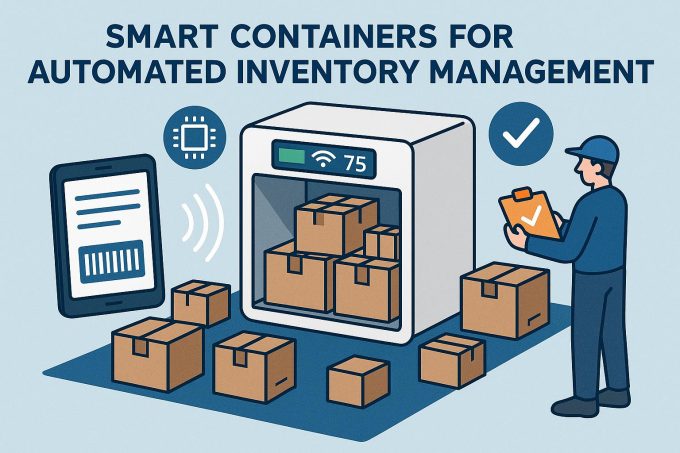
Smart containers are revolutionizing the landscape of inventory management by integrating advanced technologies such as the Internet of Things (IoT), sensors, and data analytics. These containers are fundamental in automating inventory processes, leading to greater efficiency and accuracy. As we delve deeper into the functionalities and benefits of smart containers, it becomes clear that they are not just a passing trend but a transformative force in the logistics and supply chain industries.
Functionality of Smart Containers
IoT-Enabled Sensors
Smart containers are designed with IoT-enabled sensors that are continuously engaged in monitoring various parameters. These sensors play a critical role in ensuring that every aspect of inventory management is tracked meticulously. Temperature and humidity are vital parameters, particularly for goods that require specific environmental conditions. For instance, perishable food items and pharmaceuticals often need to be stored within certain temperature ranges to maintain their quality and efficacy. By monitoring these parameters, smart containers help in safeguarding the integrity of sensitive products.
Centralized Data Transmission
The sensors embedded within smart containers don’t just collect data passively; they actively transmit this data in real time to a centralized system. This continuous data flow empowers organizations to maintain a constant overview of their inventory levels and conditions. The central system can be configured to perform various analytical tasks, allowing for a seamless integration of data-driven processes in managing resources and responding to market demands swiftly.
Automated Inventory Tracking
The ability to track inventory levels automatically represents a significant advantage afforded by smart containers. Traditionally, inventory tracking requires periodic manual checks, a process that is both time-consuming and prone to human error. In contrast, smart containers can instantly notify managers when stock levels are running low, effectively minimizing risks associated with inventory outage. Such automated notifications form a proactive approach to inventory management. Moreover, these systems can detect potential issues like spoilage or tampering, thereby assuring product quality and safety, which is particularly crucial in industries focused on consumable goods.
Data-Driven Decision Making
The integration of smart containers within businesses facilitates access to real-time data, which is invaluable in making informed decisions. Analytic platforms are capable of processing data collected from smart containers to derive insights into purchasing trends, consumption rates, and overall inventory health. Companies can leverage this information to optimize supply chain operations, balancing supply and demand effectively. This capability becomes even more crucial in large-scale operations, where the margin for error is minimal and financial implications of mismanaged resources are substantial.
Benefits of Smart Containers in Inventory Management
The incorporation of smart containers into inventory management strategies is accompanied by significant benefits that extend beyond basic operational enhancements.
Increased Efficiency: Automation helps in reducing manual errors and speeding up the inventory management process. By allowing systems to handle routine tracking tasks, personnel can focus on more strategic roles. Automation eliminates the need for clerical accuracy checks and enables teams to deploy their resources toward improving competitive strategies and customer experience.
Cost Savings: Minimizing waste and preventing overstock or understock situations result in better cost management. Overstocks can tie up capital and increase storage costs, while understocks risk losing sales and dissatisfied customers. Smart containers help in achieving cost efficiency by enabling businesses to better manage resources and thus, reduce unnecessary expenses.
Enhanced Transparency: Real-time monitoring through smart containers allows stakeholders a clear view into the logistics chain, promoting transparency. Information is easily accessible at various management levels, fostering accountability and trust. Enhanced visibility in the supply chain can also play a pivotal role in identifying inefficiencies and streamlining operations for better productivity.
Challenges and Future Prospects
Despite the manifold benefits, integrating smart containers into existing systems is not devoid of challenges.
Initial Installation Costs
One of the primary barriers to widespread adoption is the initial cost associated with implementing these advanced systems. Organizations must be prepared to invest in compatible infrastructure and potentially overhaul existing processes. For smaller enterprises, in particular, the financial burden of upgrading to IoT-enabled systems can seem daunting.
Cybersecurity Concerns
As with any technology that involves data transmission and storage, cybersecurity remains a critical concern. Safeguarding data integrity requires robust security protocols to prevent breaches and ensure that sensitive information is protected. This aspect becomes increasingly significant as digital threats evolve in sophistication.
Promising Future Developments
Despite the challenges, the outlook for smart containers is promising. As advancements in technologies such as machine learning and artificial intelligence continue, the capabilities of smart containers are expected to broaden significantly. These developments may enhance the accuracy and reliability of inventory management systems, potentially introducing features such as predictive analytics and automated procurement processes. Such capabilities will further solidify smart containers as invaluable assets in the modern business landscape.
Conclusion
The transformation driven by smart containers in inventory management signifies a significant shift towards automation and data-driven processes. As technology evolves, the capacity of these smart systems to deliver enhanced operational efficiencies and cost savings will expand, proving them to be an essential component in contemporary business operations. For those looking to delve deeper into the world of smart container technologies, resources and discussions available in specialized tech forums and industry websites can provide more detailed insights into their capabilities and applications.