
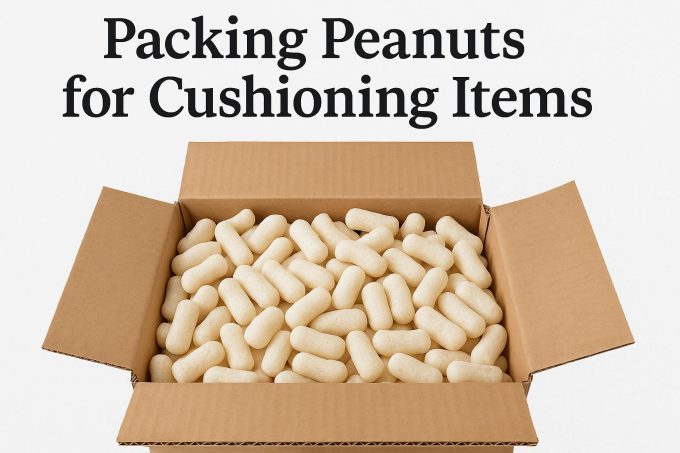
Packing Peanuts: An Overview
Packing peanuts are frequently employed as a practical solution for providing cushioning and protection during the shipping of various items. They serve a fundamental role in the packaging industry due to their ability to fill empty spaces within boxes or containers. This function is crucial for safeguarding items, particularly fragile ones, against shocks, vibrations, and impacts that may occur during transportation. By effectively distributing pressure, packing peanuts help minimize the likelihood of breakage or damage, ensuring that items reach their destination intact.
Types of Packing Peanuts
Packing peanuts are largely classified into two major categories: traditional polystyrene foam and biodegradable alternatives derived from natural substances like starch.
Polystyrene Foam Peanuts: Known for their lightweight properties, these packing peanuts are frequently favored for their cost-effectiveness and dependable cushioning capabilities. Polystyrene foam peanuts are designed to absorb shocks and provide consistent protection, making them a prevalent choice for a wide range of shipping requirements. However, the non-biodegradable nature of polystyrene raises environmental concerns, particularly with regard to landfill contributions and pollution.
Biodegradable Peanuts: In contrast to their polystyrene counterparts, biodegradable peanuts are manufactured from renewable resources. Ingredients such as cornstarch or wheat serve as the basis for these peanuts, allowing them to decompose naturally over time. This decomposition occurs without leaving any harmful residues, offering a sustainable and environmentally friendly choice. Biodegradable peanuts cater to the growing demand for eco-conscious packaging solutions, aligning with both consumer expectations and environmental regulations.
Benefits of Using Packing Peanuts
Packing peanuts provide multiple benefits that enhance their utility in the shipping and packaging sectors:
Versatile Cushioning: The design of packing peanuts allows them to be used for an extensive array of items, ranging from delicate glassware to sophisticated electronics. Their ability to conform to various shapes ensures comprehensive protection by enveloping items and absorbing mechanical stresses.
Lightweight: The minimal weight of packing peanuts ensures that they do not contribute significantly to the overall package weight, constituting a cost-effective solution for shipping purposes. This characteristic is particularly beneficial when calculating shipping fees based on weight.
Flexible: Due to their malleable properties, packing peanuts can effortlessly adjust to the contours of packaged items. This quality facilitates the efficient filling of gaps within packages, preventing movement and potential damage.
Environmental Considerations
The traditional variety of packing peanuts, particularly those made from polystyrene foam, has long been integral to the shipping industry. However, as awareness regarding environmental impact grows, a noticeable shift in preference is steering towards biodegradable alternatives. These alternatives, with their ability to decompose without environmental harm, are gaining traction among conscientious consumers and businesses alike. The shift represents a growing trend toward sustainable and responsible packaging practices.
For businesses and individuals seeking to align with eco-friendly initiatives, exploring resources from organizations such as the Sustainable Packaging Coalition can provide further insight into sustainable packaging solutions. The incorporation of biodegradable packing options is becoming increasingly vital as environmental sustainability takes precedence in consumer and industrial decision-making.
Conclusion
As the global landscape of e-commerce and shipping continues to evolve, the need for effective, protective, yet environmentally considerate packing materials is expected to rise significantly. Whether choosing traditional polystyrene foam or embracing biodegradable packing peanuts, businesses and individuals must carefully evaluate the advantages and ecological impacts of their choices. The decision-making process should involve a balance between effective packaging performance and the pursuit of reducing environmental footprints.
In conclusion, packing peanuts remain a key component in the wider discussion about sustainable packaging. With an ever-growing emphasis on reducing waste, enhancing recycling efforts, and mitigating environmental consequences, the choice between traditional and biodegradable packing peanuts is emblematic of broader trends in sustainable business practices. By considering both performance and environmental responsibility, stakeholders can make informed decisions that address the dual objectives of protecting goods and preserving the planet.