
The Evolution of Aluminum Foil in Packaging
Aluminum foil has become an indispensable material in the packaging industry due to its unique properties. This thin, flexible metal sheeting is used across various sectors, thanks to its versatility and efficiency in preserving product quality.
Properties of Aluminum Foil
Aluminum foil is renowned for its excellent barrier properties. It provides a strong shield against light, oxygen, moisture, and bacteria, making it ideal for preserving the freshness and flavor of food products. The foil is also lightweight and malleable, which allows it to be easily shaped to fit different product forms.
Applications in Food Packaging
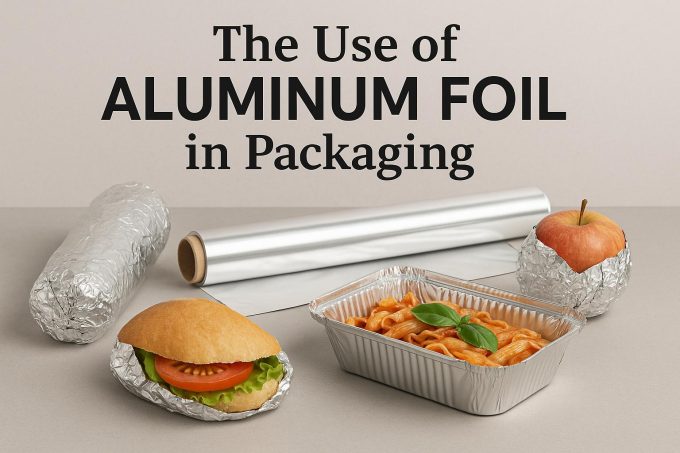
In food packaging, aluminum foil is utilized in a variety of forms. Flexible packaging often involves the use of foil as a stand-alone material or more commonly, in laminated structures. Such combinations ensure enhanced protection of perishable items.
The foil acts as an excellent barrier to external elements, thus maintaining the quality of the food within. It is commonly used in packaging for dairy products, baked goods, and frozen foods. This protective capability is crucial in extending the shelf life of food products and maintaining their original taste and aroma. Aluminum foil is also used in pouches, which are increasingly popular due to their convenience in storage and transportation.
Beyond regular food items, there are specific applications such as in the packaging of ready-to-eat meals where aluminum foil can withstand thermal processing. This ensures that foods are not only preserved but can also be easily reheated in the same packaging without compromising safety or quality.
Protection and Safety
Aluminum foil provides a hermetic seal, which prevents the contents from being compromised by external factors. This property is vital in protecting medicinal products as well. By safeguarding against contamination, foil is a preferred choice in pharmaceutical packaging sectors.
In pharmaceuticals, aluminum foil is used in blister packs, which protect each dose of medication securely. The foil prevents the degradation of drug efficacy caused by exposure to environmental factors such as humidity and light. Additionally, aluminum foil’s strong resistance to chemical penetration adds an extra layer of security, making it invaluable in the medical field.
The use of aluminum foil in the packaging also extends to industrial products where exposure to environmental conditions could lead to deterioration. For instance, its application in wrapping and covering electronics and sensitive devices helps in shielding them against static electricity and moisture.
Sustainability Considerations
The sustainable attributes of aluminum foil include its ability to be recycled efficiently. Recycling aluminum requires less energy compared to primary production, thereby reducing emissions and conserving natural resources. This sustainability aspect promotes the ongoing adoption of aluminum foil in eco-friendly packaging solutions.
The capacity to recycle aluminum repeatedly without loss of quality encourages a circular economy. This helps in reducing waste and supports efforts towards minimizing the carbon footprint. Furthermore, advances in technology have improved the efficiency of recycling processes, thereby enhancing the environmental benefits of using aluminum foil.
In many regions, initiatives are in place to maximize the collection and processing of aluminum products. This enhances community-based sustainability efforts and aligns with global movements towards greener production and consumption models.
Future Trends and Innovations
The packaging industry is continually evolving with the development of new technologies and materials. Aluminum foil, with its inherent properties, continues to be at the forefront of innovative packaging design. There is a significant focus on increasing the efficacy and functionality of foil packaging, optimizing its use beyond traditional applications.
One area of innovation involves the creation of smart packaging solutions. By integrating advanced technologies such as sensors and indicators with aluminum foil packaging, companies can offer enhanced product interaction and monitoring. These smart packages can monitor temperature, freshness, and even track the movement of goods through the supply chain, ensuring that products remain secure and to standard.
Nanotechnology also shows promise in advancing aluminum foil applications. Through the manipulation of materials at the molecular level, it is possible to produce packaging materials with superior barrier properties and reduced thickness, maintaining strength while using less material. This not only brings down costs but also reduces the environmental impact of packaging products.
Another trend is the creation of biodegradable coatings that can be applied to aluminum foil. This combination can lead to increased decomposition rates while still providing the essential protective qualities desired in packaging.
Conclusion
In conclusion, the widespread use of aluminum foil in packaging stems from its unique combination of protective, flexible, and sustainable characteristics. As the packaging industry continues to innovate, aluminum foil remains a crucial component in creating safe and efficient packaging solutions.
Driven by the twin goals of innovation and sustainability, aluminum foil will likely remain an integral material in packaging. Industry players continue to explore and develop new ways to maximize its properties, ensuring it meets the changing demands and expectations of global markets. Ultimately, as consumer awareness and regulatory pressures increase, aluminum foil’s role in developing sustainable, smart, and functional packaging solutions will only grow more essential.