
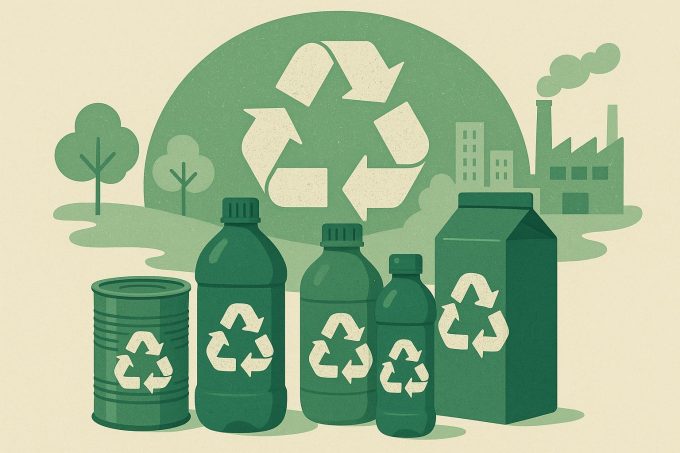
The Role of Recycled Containers in Circular Economies
Circular economies represent a systemic shift from the traditional take-make-dispose model towards a more sustainable framework. In this model, materials are kept in use for as long as possible, products are reused or recycled, and waste generation is minimized. A significant component of circular economies is the use of recycled containers, which play a crucial role in reducing environmental impact.
Environmental Benefits of Recycled Containers
Recycled containers contribute to environmental sustainability in several ways. Firstly, utilizing recycled materials reduces the need for raw material extraction, thus conserving natural resources. It also decreases energy consumption associated with the manufacturing of new containers. According to the Environmental Protection Agency, recycling aluminum can save up to 95% of the energy required to produce new aluminum from raw materials.
The use of recycled containers also lowers greenhouse gas emissions. For instance, manufacturing products from recycled steel can cut emissions by up to 80%. By keeping materials within a closed-loop system, recycled containers help mitigate climate change effects. It further enhances biodiversity preservation by lessening the ecological footprint of extracting raw materials from the environment.
By integrating recycled containers into manufacturing processes, enterprises can significantly contribute to reducing landfill waste. This reduction not only conserves land but also lessens soil contamination risks. Furthermore, using recycled materials can enhance water conservation by decreasing water usage traditionally required in extracting and processing raw materials.
Economic Implications
Recycled containers are not only environmentally beneficial but also economically viable. They help companies reduce production costs by minimizing the need for new raw materials. This cost efficiency can potentially lead to lower consumer prices and increased competitiveness in global markets. As global supply chains become more complex, the availability of local recycled materials offers an edge in reducing transportation costs and logistical complexities.
Moreover, the process of recycling containers generates employment opportunities in sectors like waste management and recycling operations. Countries investing in recycling infrastructure can benefit from both direct and indirect job creation, supporting economic growth and sustainability. As the demand for sustainable practices rises, a market for recycled materials also expands, further promoting economic diversification.
Governments and private entities can derive substantial economic gains by investing in recycling advancements. By aligning themselves with international sustainability standards, companies not only enhance their market appeal but also ensure long-term profitability through adaptation to stringent environmental regulations.
Challenges and Opportunities
Despite the advantages, there are challenges associated with using recycled containers within circular economies. These include issues like contamination of recycled materials, the complexity of recycling certain types of containers, and the need for technological advancement to improve recycling processes. For instance, mixed material containers often present a significant challenge, as separating materials is necessary for effective recycling but can be technologically demanding.
Overcoming these challenges requires investment in infrastructure, research, and development, as well as policies promoting recycling practices. Public-private partnerships can be instrumental in crafting infrastructure that supports efficient recycling processes. Moreover, advancing technology to improve sorting and processing capabilities can substantially address contamination challenges.
However, these challenges also present opportunities. Advances in technology can lead to more efficient recycling methods, and policies supporting recycling can drive innovation and development in the sector. Companies can also leverage the growing consumer demand for sustainable products by investing in recycled containers. As consumers become more environmentally conscious, brands that prioritize sustainability can gain a competitive advantage in the marketplace.
By fostering community awareness and education on recycling’s benefits, societies can catalyze a culture committed to environmental stewardship. This cultural shift can incentivize businesses to innovate, thus continually improving recycling technologies. Additionally, governments can play a pivotal role by offering incentives such as tax breaks or subsidies to companies utilizing environmentally friendly practices.
Conclusion
Recycled containers are vital to the success of circular economies, offering both environmental and economic benefits. While challenges exist, the opportunities for growth and innovation in this area are substantial. By investing in recycling technologies and infrastructure, countries and businesses can enhance their sustainability efforts, contributing to a more resilient and sustainable world. Innovation in recycling can lead to novel materials and products, transforming industries and creating new markets.
Moreover, as circular economies gain traction, companies and nations that invest in recycled containers today will likely find themselves at the forefront of a global transition towards sustainability. The integration of recycled materials into manufacturing, coupled with systemic shifts in consumption patterns and waste management, serves as a cornerstone in building a sustainable future.
For more detailed insights on circular economies and recycled containers, explore resources from organizations like the Ellen MacArthur Foundation and the Environmental Protection Agency.