
Understanding Pressure-Sensitive Tapes
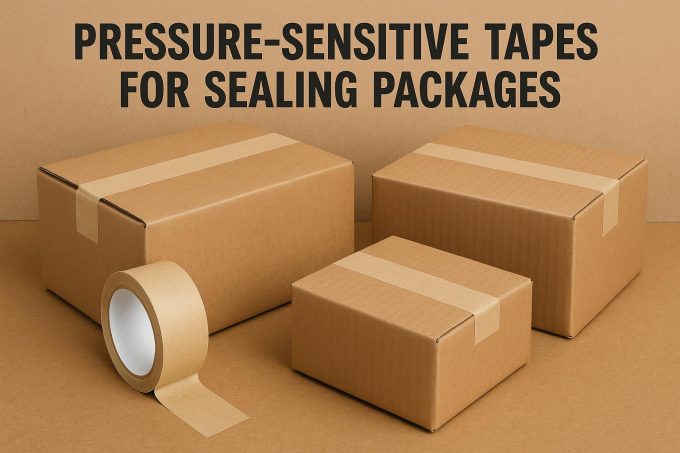
Pressure-sensitive tapes are widely recognized as key players in the realm of packaging, distinguished by their ease of application and efficiency. Commonly utilized as the final step in securing packages, these tapes rely on a distinct adhesive mechanism designed to activate with the application of minimal pressure. This singular adhesive characteristic makes them a go-to solution across a variety of applications due to their user-friendly and highly efficient nature.
Composition and Functionality
The composition of pressure-sensitive tapes is relatively straightforward, comprising several crucial layers. At the heart of these tapes lies a carrier material, which may be composed of materials such as paper, film, or fabric, and serves as the structural base. This foundational core is coated with a pressure-sensitive adhesive, a substance specifically formulated to instantly bond upon the application of pressure. In some instances, tapes feature a release liner, an additional layer particularly common when the adhesive has a tendency to adhere to itself.
Types of Adhesives
The functionality and efficacy of pressure-sensitive tapes largely hinge upon the type of adhesive employed. Frequently utilized adhesive types include acrylic, rubber, and silicone, each possessing distinct characteristics:
Acrylic Adhesives: Revered for their durability and resistance to environmental factors, acrylic adhesives exhibit excellent performance on a wide array of surfaces.
Rubber Adhesives: Known for their capacity to form an immediate bond, rubber adhesives are cost-effective but may exhibit limitations under extreme conditions.
Silicone Adhesives: These adhesives are favored for applications necessitating both flexibility and the ability to withstand severe temperature conditions.
Applications in Packaging
In the packaging sector, pressure-sensitive tapes are indispensable components. Their primary role is to securely seal cartons and packages, ensuring that contents are safeguarded throughout the journey of transit. The ease of application, requiring neither additional tools nor heat, has resulted in these tapes becoming a preferred choice for packaging needs across various industries, ranging from e-commerce to food delivery services.
Advantages Over Other Sealing Methods
When juxtaposed against water-activated tapes or heat-activated adhesives, pressure-sensitive tapes offer a host of advantages. Foremost among these is the simplicity and rapidity of their application. The elimination of water or specialized machinery translates to decreased processing times and lower costs. Moreover, their availability in diverse widths and lengths renders them adaptable to packages of differing dimensions.
Considerations for Use
While effective, the performance of pressure-sensitive tapes may be influenced by a number of factors. Notably, the condition of the package surface and ambient temperature can impact adhesion performance. For optimal results, it is advisable to apply these tapes at moderate room temperatures. Additionally, ensuring that surfaces are devoid of dust and oil can enhance the strength of the adhesive bond.
Innovations and Sustainability
Recently, advancements within tape technology have yielded more eco-friendly options. Manufacturers are increasingly turning their focus towards sustainable materials that do not compromise on performance criteria. Noteworthy innovations include the integration of biodegradable carrier materials and recyclable adhesives, which align with the broader global shift towards sustainability.
Conclusion
In closing, pressure-sensitive tapes are integral to achieving efficient package sealing across numerous industries. Their user-friendly application process, coupled with ongoing innovations in materials and adhesives, ensures that they continue to be the preferred option in a world increasingly governed by considerations of both efficiency and sustainability. For those seeking further guidance on selecting the appropriate tape to meet specific needs, exploring resources offered by reputable tape manufacturers and industry experts is advised.