
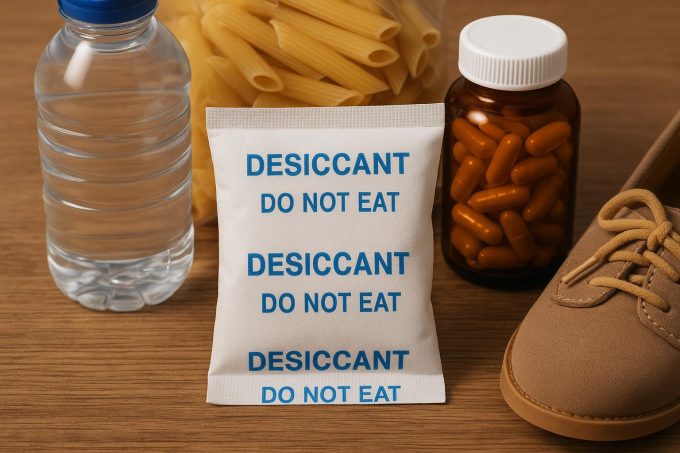
Understanding Desiccant Packets
Desiccant packets are essential components in the packaging and storage industries, primarily due to their ability to regulate humidity by absorbing moisture. These small, sealed pouches are filled with a moisture-absorbing material, which plays a critical role in maintaining the integrity and longevity of various products. In environments where excess humidity can lead to damage, spoilage, or reduced efficacy of goods, desiccant packets become invaluable. They ensure the preservation of product quality by retaining optimal dryness and preventing conditions that might facilitate moisture-induced problems.
Common Types of Desiccants
There are several types of desiccants used within these packets, each tailored to suit specific applications and environments. Primarily, the types of desiccant materials include silica gel, activated charcoal, and calcium chloride, among others. The choice of desiccant depends on the specific moisture control requirements of the product and the surrounding environment. Let’s delve deeper into the unique properties and applications of these commonly employed desiccants.
Silica Gel
Silica gel is, perhaps, the most recognized type of desiccant due to its widespread use in consumer and industrial products. Composed of silicon dioxide, it effectively absorbs moisture due to its ability to hold approximately 40% of its weight in water. These packets are often found in the packaging of shoes, bags, electronics, vitamins, and other pharmaceuticals. One of the key advantages of silica gel is its chemical inertness, which means it does not react with other substances, making it a safe choice for varied applications. Silica gel can also be reused after drying, which enhances its practicality and sustainability.
Activated Charcoal
Activated charcoal is another common desiccant material, renowned for its ability to capture both moisture and odors. It is highly porous, which allows it to effectively trap and retain unwanted particles from the surrounding environment. This dual-action of moisture and odor control makes activated charcoal particularly suitable for use in settings like home appliances, pet products, and automotive parts, where maintaining a neutral smell is as crucial as keeping things dry.
Calcium Chloride
Calcium chloride is extensively utilized in industrial applications due to its high moisture absorption capacity. It is adept at attracting water molecules, making it especially useful in conditions where drastic humidity reduction is required, such as in storage warehouses and shipping containers. Calcium chloride’s capability to avert dampness makes it optimal in environments concerned about mold and mildew growth, ensuring that the structural and product integrity remains intact over time.
Applications and Benefits
The versatility of desiccant packets is evident in the myriad of applications across various industries. Here are some of the notable sectors where these packets are utilized:
*Food Industry:* Moisture can significantly impact both the shelf life and quality of perishable and packaged food items. By incorporating desiccant packets into packaging, manufacturers can ensure that the food remains fresh, crunchy, and free from spoilage or microbial growth.
*Pharmaceuticals:* In the pharmaceutical sector, moisture can lead to degradation of medicine, reducing its efficacy. Desiccant packets help maintain the stability and potency of pharmaceuticals by ensuring they remain dry.
*Electronics:* Electronic components are particularly susceptible to damage caused by moisture. Desiccant packets create a dry atmosphere, preventing corrosion and other moisture-related issues that can impair the functionality of devices.
*Textiles and Leather Goods:* By preventing moisture damage, these packets help maintain the quality and appearance of materials like fabrics and leather, which can otherwise develop mold or mildew under humid conditions.
Beyond the above, desiccant packets also play significant roles in the automotive, logistics, and military sectors. By mitigating moisture-related damage, they help reduce waste, lower costs, and preserve the value of products over time.
The overall benefits of desiccants are reliable protection against humidity-related issues, leading to an extended shelf life, maintained quality, and upholding of brand reputation. Incorporating desiccant packets into packaging strategies is a proactive approach that ensures products stay in optimal condition from manufacturing through end-use.
In summary, desiccant packets serve as an essential tool in numerous sectors by safeguarding products against the detrimental effects of humidity. Their function is pivotal in prolonging the shelf life and ensuring the safety and efficacy of goods during storage and transportation. Understanding the types of desiccants and their specific applications enables businesses to make informed decisions that fortify their product integrity and bolster consumer trust. As technology and materials science evolve, the effectiveness and efficiency of desiccant packets will likely advance, continuing their vital role in product preservation.