
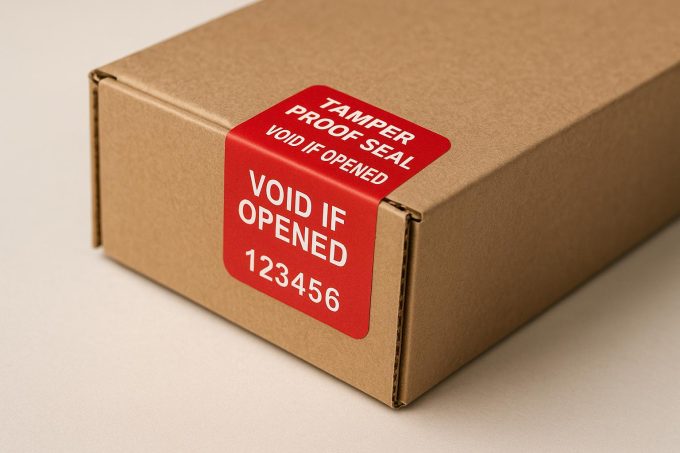
The Importance of Tamper-Proof Seals for High-Value Goods
The protection and integrity of high-value goods are of paramount importance in various industries. Tamper-proof seals serve as an essential component of the security measures designed to safeguard these items from unauthorized access or damage.
Understanding Tamper-Proof Seals
Tamper-proof seals are specially designed mechanisms that can indicate any unauthorized access or interference with a product. These seals are widely used across multiple sectors, including pharmaceuticals, electronics, and luxury goods, to ensure the authenticity and safety of products.
Types of Tamper-Proof Seals
Tamper-proof seals are available in various forms, each catering to specific requirements and levels of security. Some common types include:
Security Tape and Labels: These are used on packaging and containers, providing a clear indication if the item has been opened or tampered with. Security tapes are designed to leave a mark or void message if altered or peeled off. This form of seal is often considered one of the most cost-effective for mass-produced goods.
Mechanical Seals: Often used in logistics and transport sectors, mechanical seals are applied to containers and trucks to deter unauthorized access. These seals are typically made of metal or sturdy plastic and require special tools to open. Once broken, they cannot be resealed, making them an effective one-time security measure.
Electronic Seals: These offer a higher level of security, integrating digital technology to alert owners if tampering is detected. Such seals may include features like GPS tracking and real-time alerts. They are primarily used in contexts where high-value goods need continuous monitoring, such as transporting sensitive materials or high-end electronics.
The Role of Tamper-Proof Seals in Different Industries
Benefits of Using Tamper-Proof Seals
Implementing tamper-proof seals offers several advantages that extend beyond the mere protection of goods:
Ensure Product Integrity: These seals maintain the integrity of high-value goods, assuring buyers and sellers that the product has not been meddled with during transit. This preservation of product integrity is vital in sectors where tampering could significantly affect product quality and safety, such as food and pharmaceuticals.
Prevent Unauthorized Access: Tamper-proof seals serve as a deterrent against theft and unauthorized access, safeguarding valuable items. The mere presence of a seal can discourage potential tampering by making it visibly apparent that security measures are in place.
Enhance Consumer Confidence: For consumers, knowing that a product is secured with a tamper-proof seal builds trust in its authenticity and quality. This trust can enhance brand loyalty, encouraging repeat business and fostering a positive brand image.
Facilitate Compliance and Accountability: Many regulatory bodies require the use of tamper-proof seals to meet industry standards and ensure compliance. Implementing these seals not only aids in meeting such standards but also ensures accountability by providing a verifiable history of product handling.
Streamline Inventory Management: With advanced electronic seals, companies can track the movement of goods in real-time, improving inventory management and reducing instances of misplacement.
Implementing Tamper-Proof Solutions
Industries dealing with high-value goods can benefit significantly from integrating tamper-proof technologies into their security protocols. By investing in robust sealing solutions, businesses can not only protect their assets but also enhance their reputation for reliability and trustworthiness. Implementing tamper-proof solutions involves a strategic approach that aligns the choice of seal with the specific needs of the industry.
Companies must first conduct a risk assessment to identify potential vulnerabilities in their supply chains. Understanding where tamper-proof seals can add the most value will inform the decision about which type of seal to implement. Following the assessment, the next step is selecting a reliable supplier who can provide high-quality seals tailored to specific requirements.
Training and Implementation
Once the appropriate seals are chosen, staff members involved in the handling and shipping processes should be adequately trained on their application. Proper application is crucial to ensure that the seals function as intended. The training should cover not only the physical application but also procedures for monitoring and responding to any indications of tampering.
Moreover, businesses should consider integrating these seal technologies with digital inventory management systems, particularly in the case of electronic seals. This integration can streamline processes and enhance data accuracy, offering insights into logistics efficiency and product security.
Continuous Evaluation and Improvement
Lastly, it’s essential to continuously evaluate the effectiveness of tamper-proof solutions. Regular audits and feedback loops should be established to identify potential improvements. The dynamic nature of security threats necessitates that tamper-proof solutions remain adaptable.
Continuous improvement often requires updating seals, integrating new technological advancements, and enhancing staff training programs. By staying ahead of potential threats, companies can maintain a solid reputation and ensure the ongoing protection of their high-value goods.
For more insights on tamper-proof technologies and their applications, consider exploring related resources from industry experts. This exploration can guide businesses in making informed decisions to better protect their products and brand integrity.